Accelerate Your Lead Flow in 2025 with Paid Ads & Search
In today’s digital landscape, leveraging paid ads can be a game-changer for your business, especially in lead generation. Join me, Josh Blakely, as we explore practical strategies to maximize your lead flow through Google Ads and Local Services Ads while diving into essential tactics like conversion tracking and automation.
Table of Contents
- Introduction to Paid Ads for Lead Generation
- The Role of Customer Reviews in Ads
- Setting Up Your Google Business Profile
- Optimizing Local Services Ads Dashboard
- Creating Effective Landing Pages
- Structuring Google Ads Campaigns
- Understanding Keyword Targeting
- Optimizing Campaigns with Negative Keywords
- Analyzing Key Performance Indicators
- Essential Questions to Ask Your Ad Manager
- Understanding Retargeting Strategies
- Conclusion and Next Steps
- FAQ
Introduction to Paid Ads for Lead Generation
Paid ads are an essential tool for businesses looking to accelerate lead generation. With the right strategies, you can reach potential customers quickly and effectively. The beauty of paid advertising lies in its scalability; as your business grows, so can your ad spend. This allows you to outpace competitors and tap into new markets or services.
In today’s competitive landscape, relying on organic reach is insufficient. Paid ads enable you to target specific demographics and geographic locations and even tailor your messaging to align with your audience’s needs. By leveraging platforms like Google Ads and Local Services Ads, businesses can ensure they are front and center when potential customers search for services.
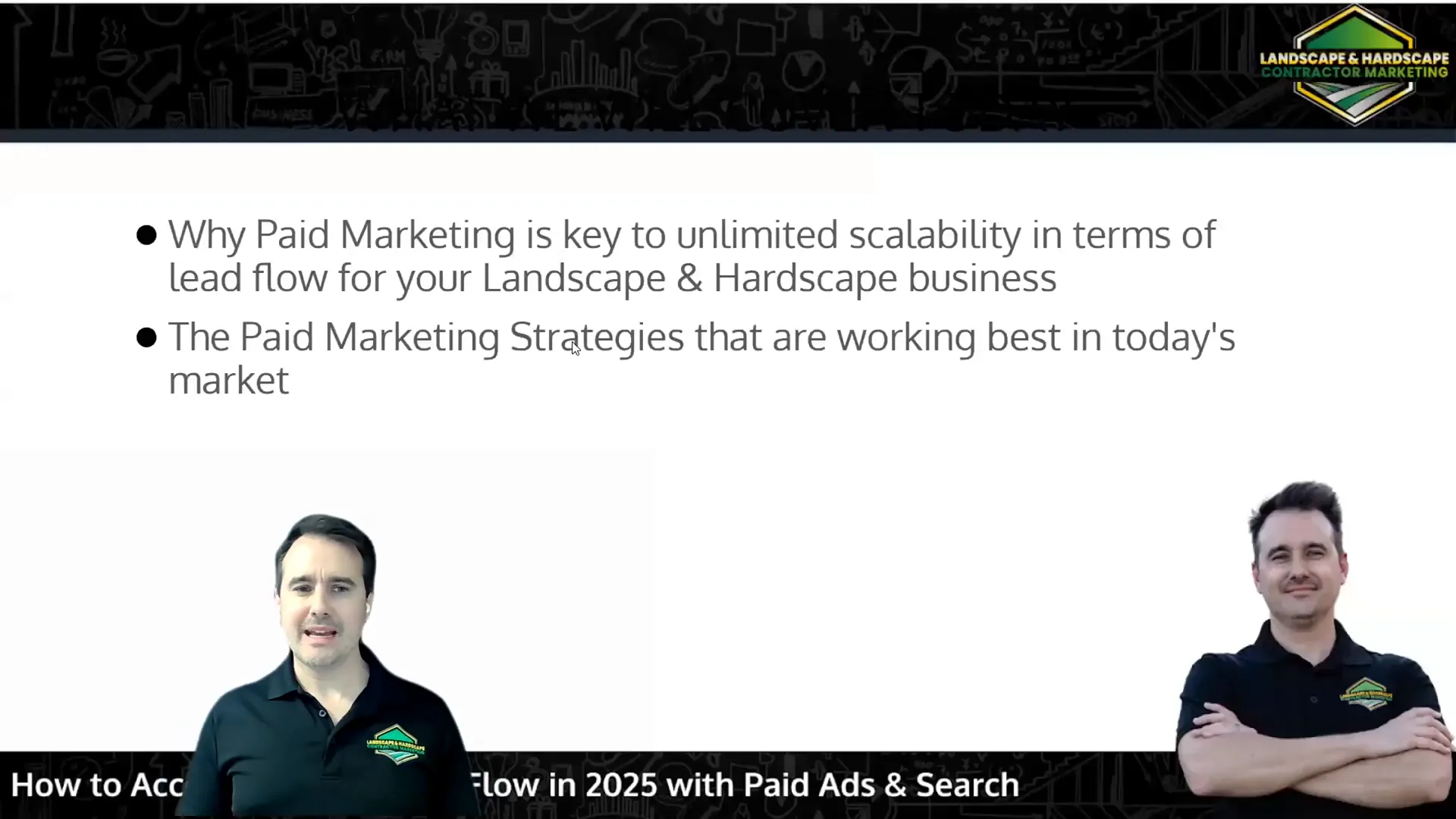
Understanding Google Local Services Ads
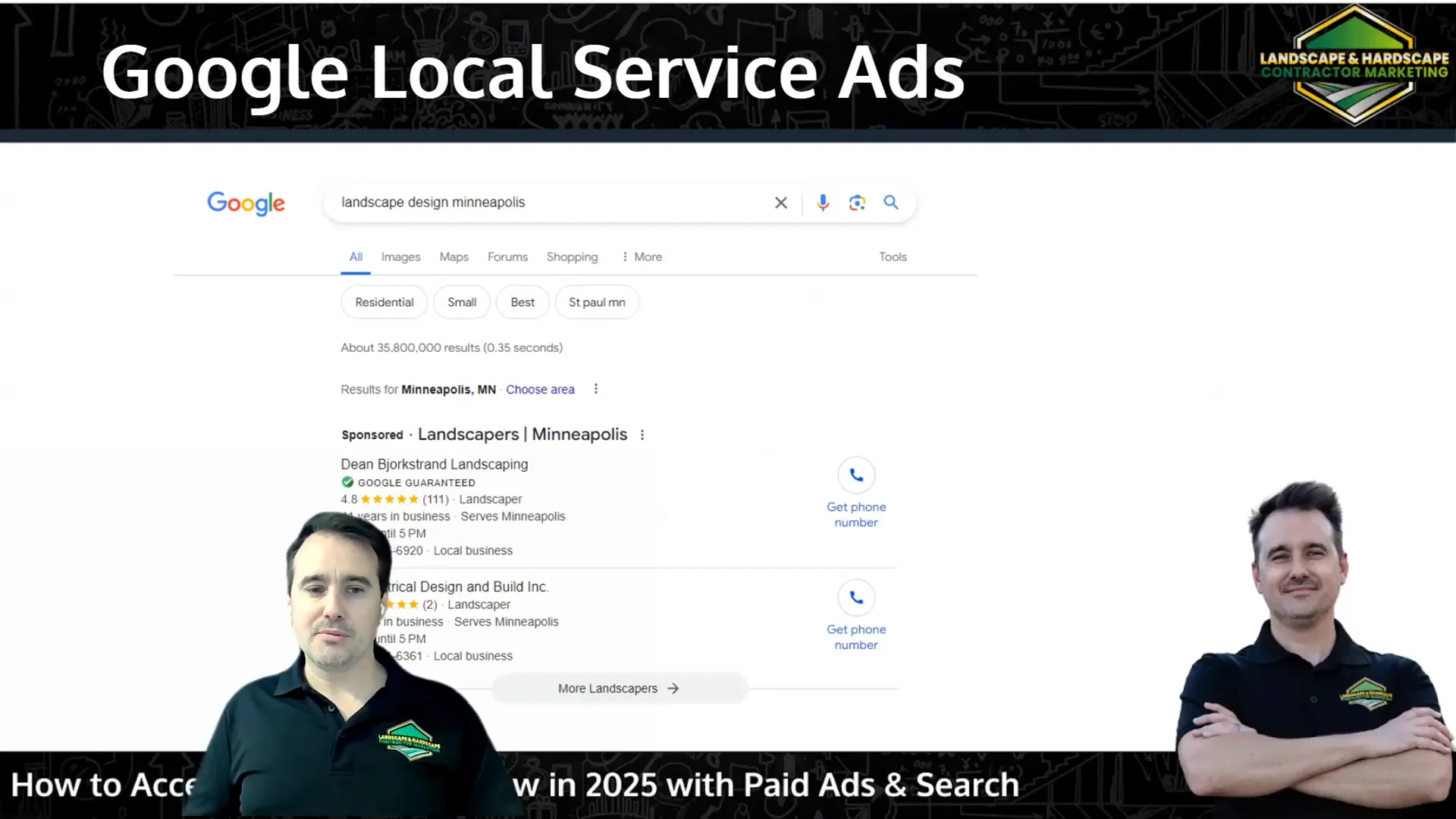
Google Local Services Ads (LSAs) are a game-changer for businesses, especially in service-oriented industries. They operate on a pay-per-lead basis, which means you only pay when a potential customer contacts you through the ad. This model is particularly beneficial for businesses looking to maximize their return on investment.
When you set up LSAs, your business can appear at the top of Google search results, making it more visible to potential customers. However, only a few companies can display in this prime spot, so optimizing your profile is crucial. This includes ensuring accurate service areas, maintaining an updated business profile, and actively managing customer reviews.
Exploring Google Ads: Best Practices
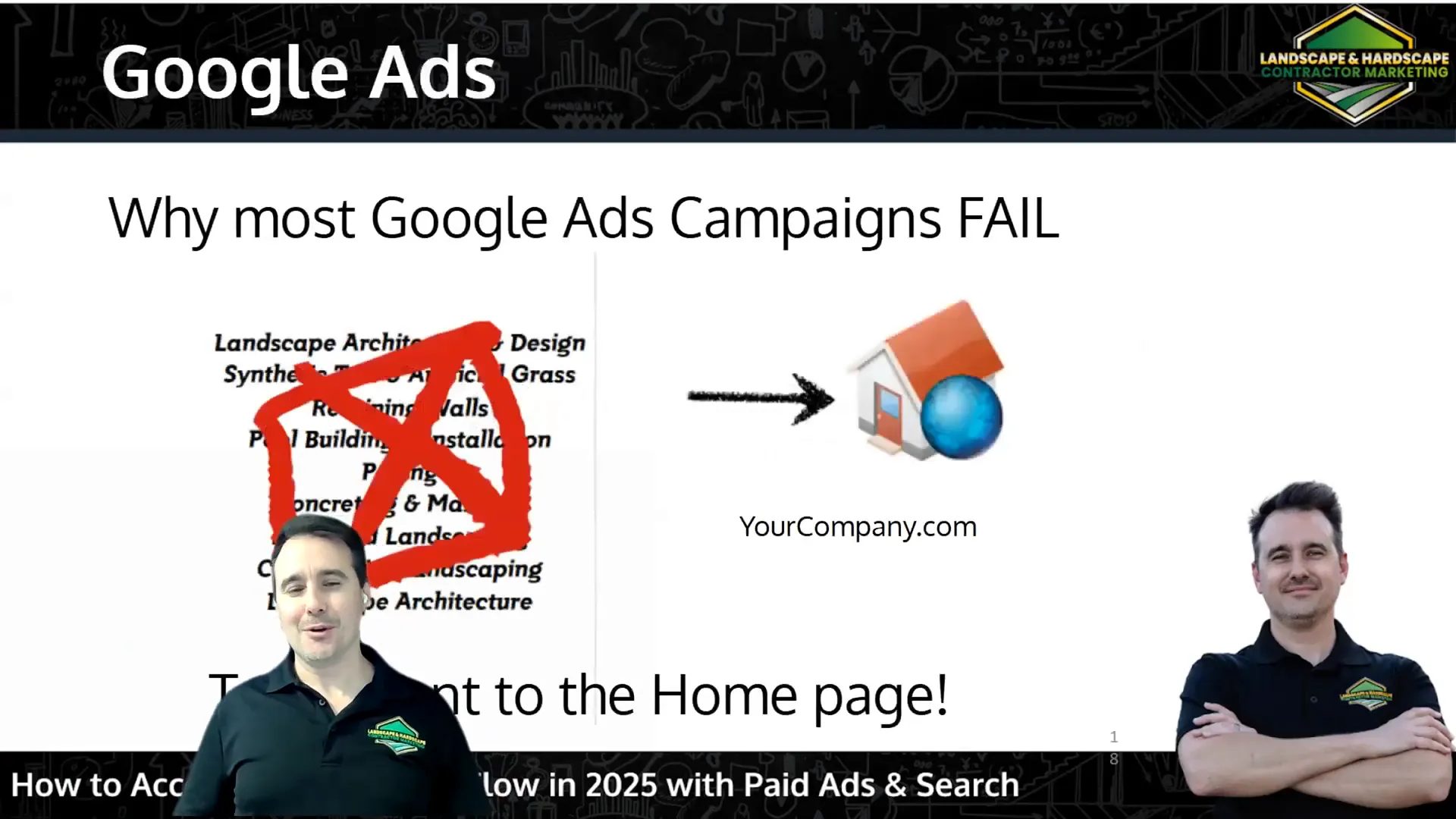
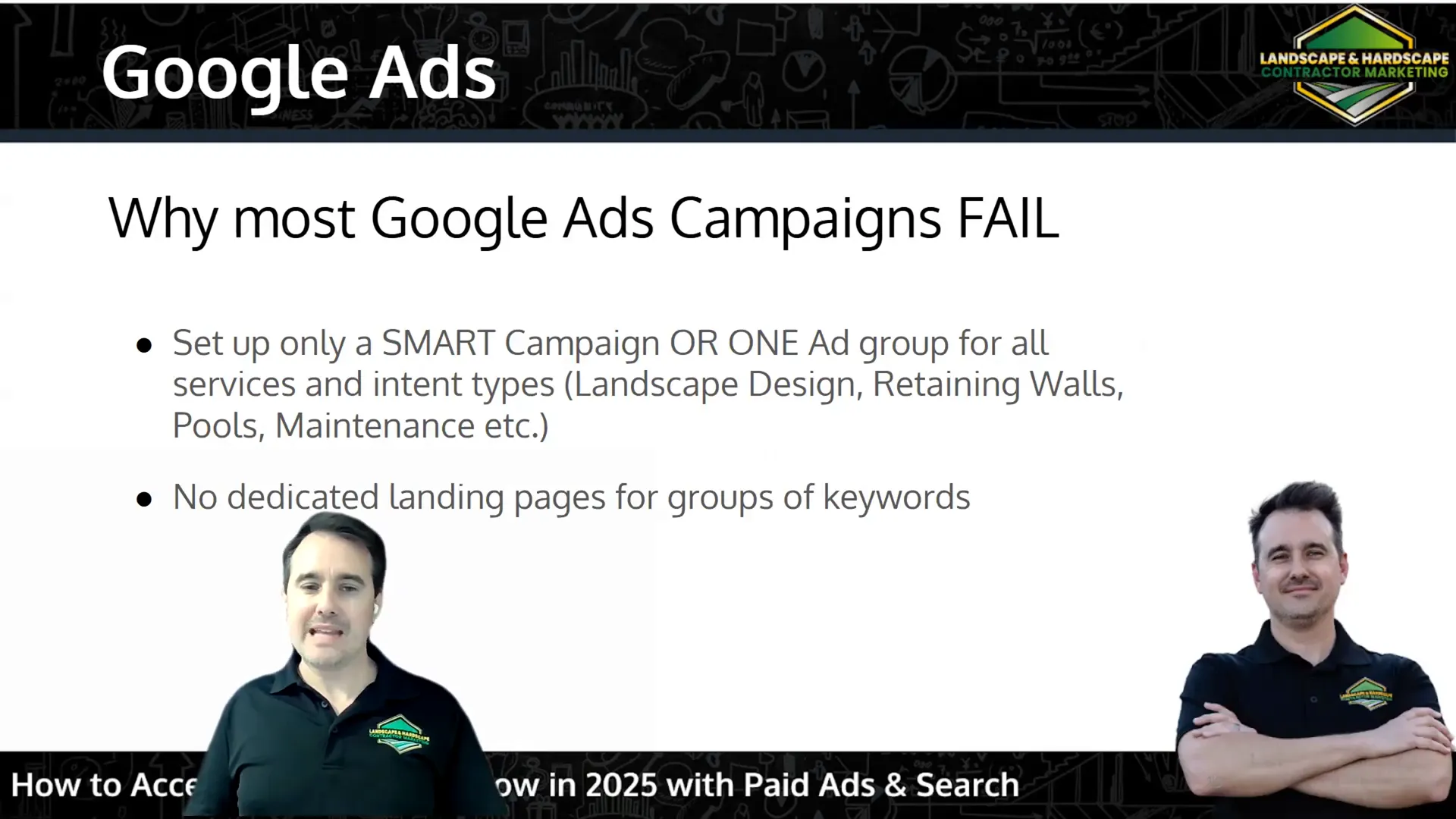
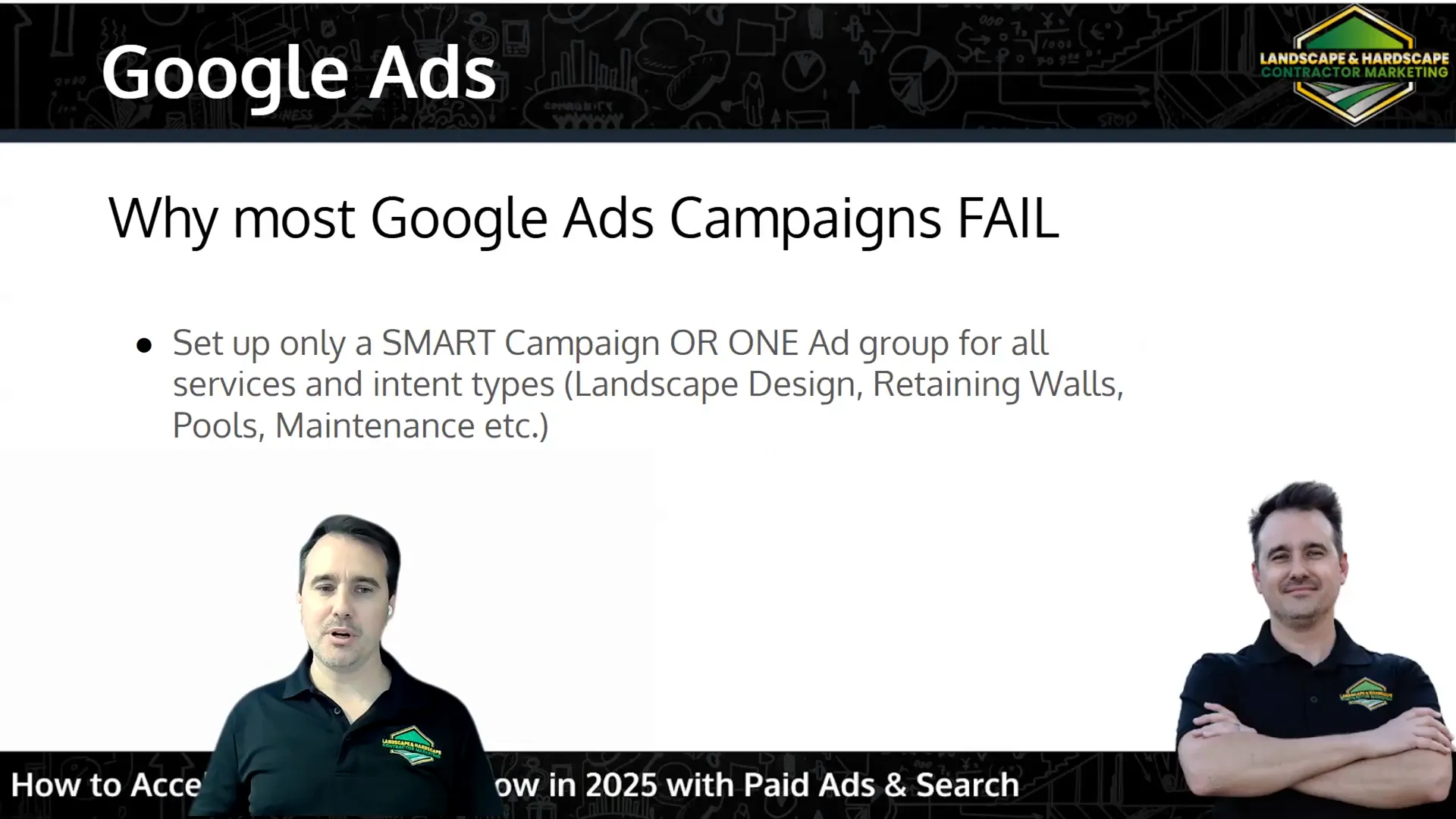
Google Ads, previously known as Google AdWords, offers more flexibility than LSAs but comes with increased complexity. When setting up your campaigns, avoid directing traffic to your homepage; instead, create specific landing pages for each service you offer. This will significantly improve your conversion rates.
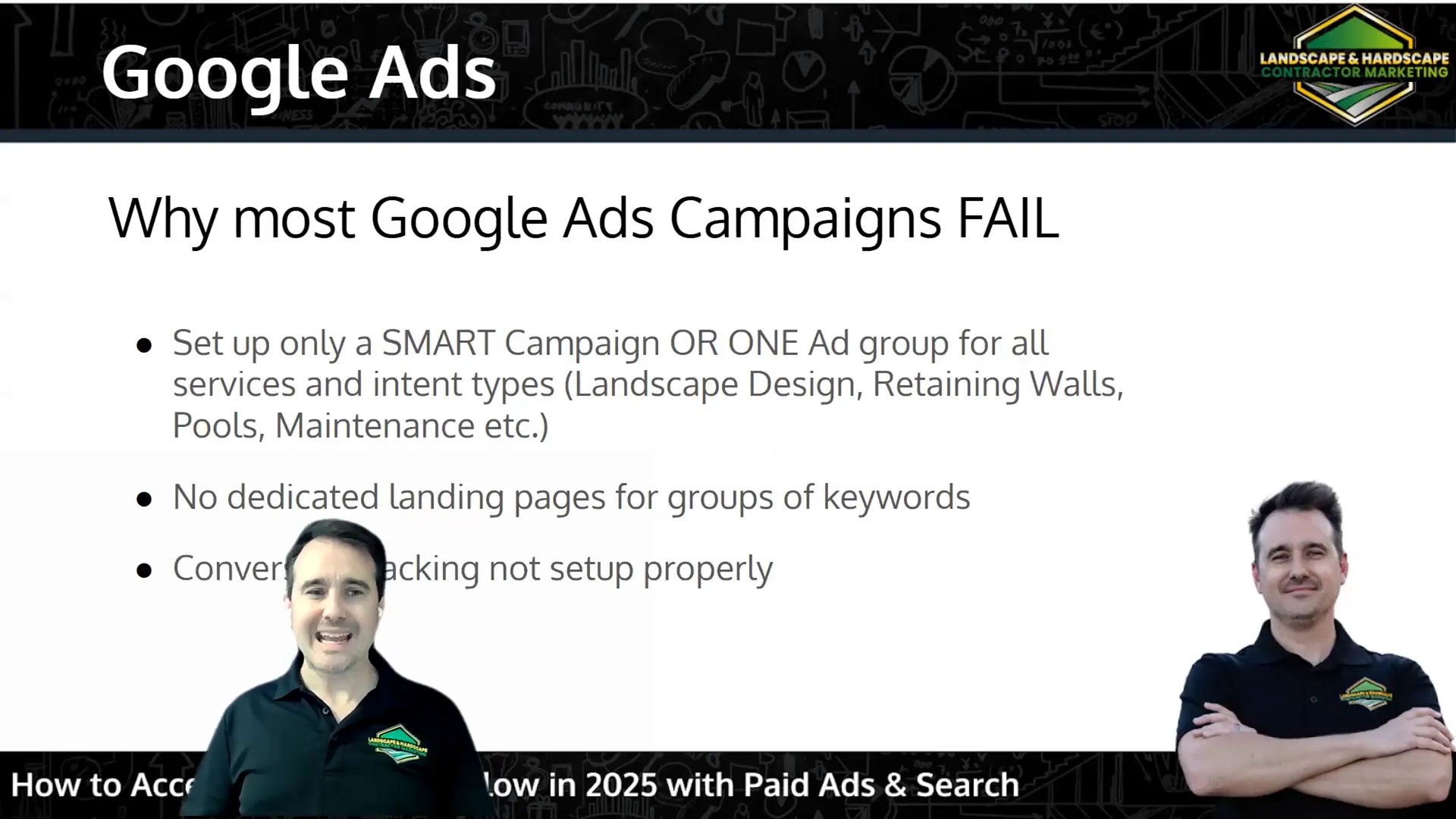
Be cautious with Google’s Smart Campaigns. While they may seem convenient, they often lead to wasted ad spend. Instead, opt for expert mode, allowing you to create tailored campaigns that target specific services and locations. This level of granularity ensures that your ads reach the right audience.
Key Elements for Successful Google Ads
- Landing pages should be focused, clear, and designed to convert visitors into leads.
- Accurately track phone calls and form submissions to measure the effectiveness of your campaigns.
- Use high-intent keywords that include location terms to attract qualified leads.
Calculating ROI from Paid Search Ads
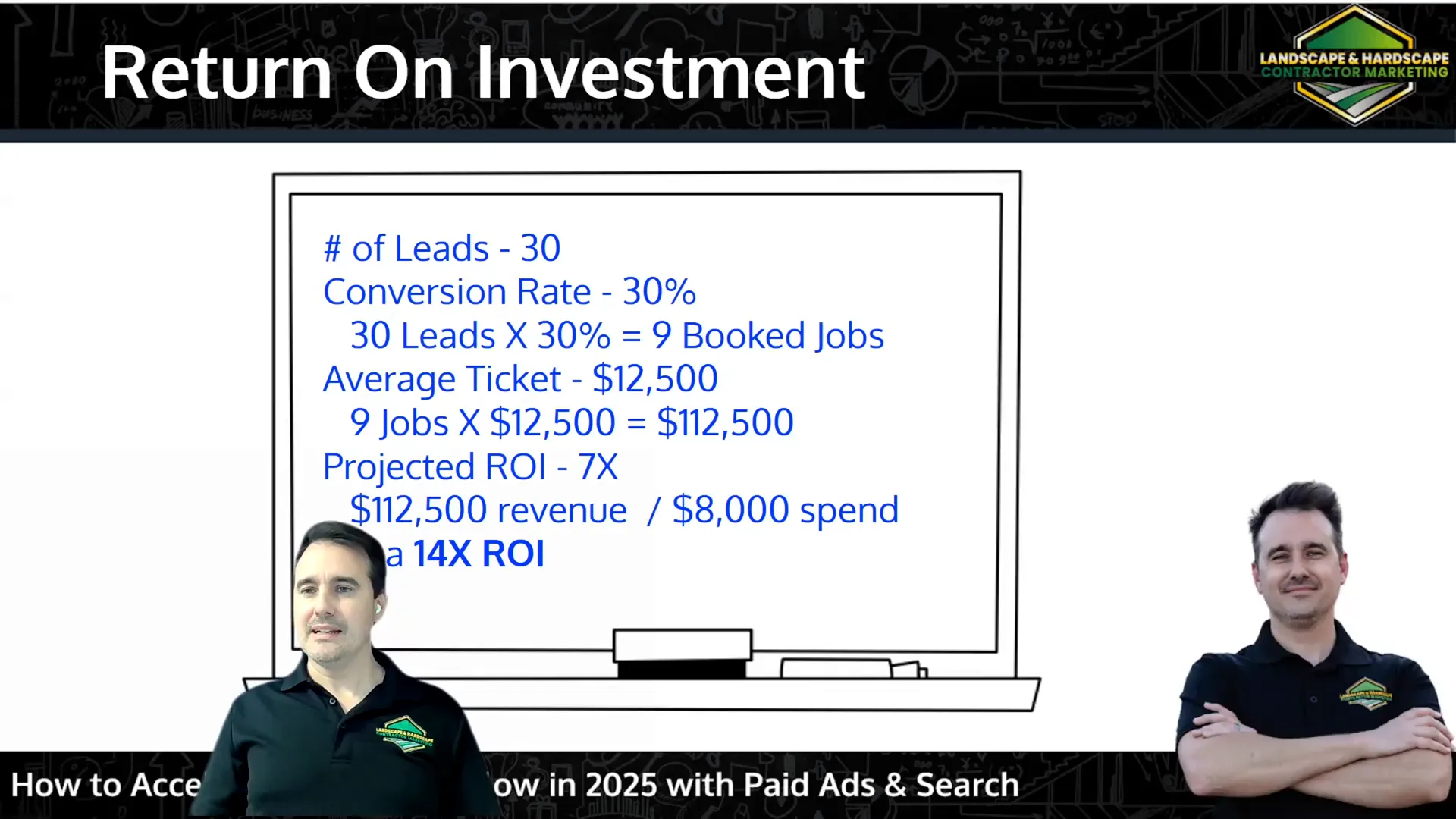
Understanding your paid search ads’ return on investment (ROI) is essential. When executed correctly, these campaigns can yield impressive returns. For instance, if you spend $8,000 on ads and generate $112,500 in revenue, that’s a 14-times ROI. However, setting up your campaigns properly is crucial to seeing these results.
Review your metrics regularly to ensure you are on track. Analyze your conversion rates and average cost per lead to determine the effectiveness of your campaigns. If your ROI is lower than expected, revisit your campaign structure and make necessary adjustments.
Importance of Conversion Tracking
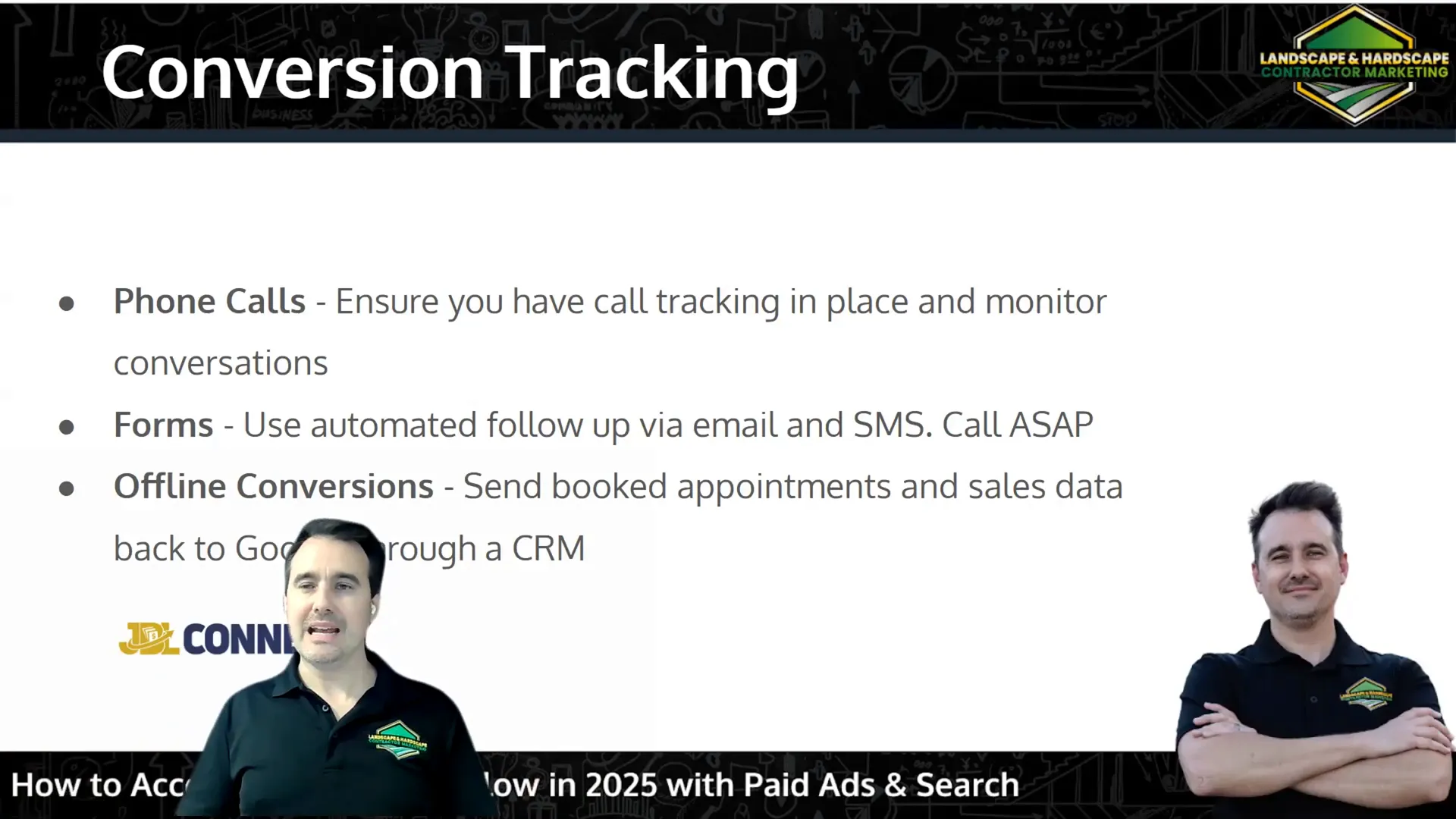
Conversion tracking is the backbone of successful paid advertising. Without it, you cannot measure the effectiveness of your campaigns. Implement call tracking to understand where your leads are coming from and ensure you optimize your ad spend effectively.
For form submissions, set up immediate notifications to follow up promptly. The quicker you contact a lead, the higher your chances of conversion. Additionally, consider using CRM systems to manage your leads and automate follow-ups, which ensures no potential customer falls through the cracks.
Retargeting and Automation Strategies
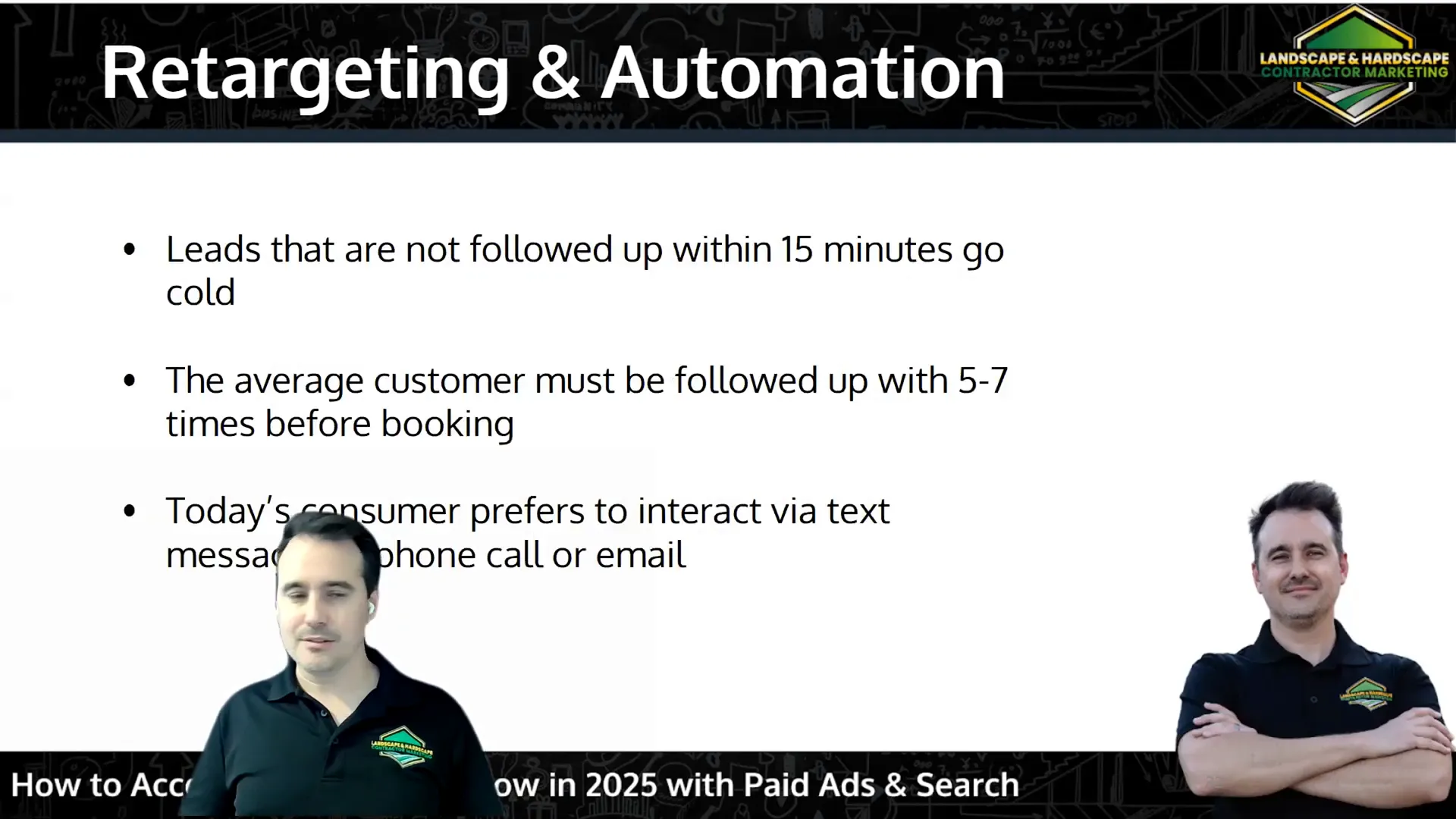
Retargeting is a powerful strategy that allows you to reconnect with visitors who have interacted with your business but did not convert. You remain on their radar by displaying ads to these individuals as they browse other sites, increasing the likelihood of conversion.
Automation plays a crucial role in managing leads efficiently. Utilize automated texts and emails to keep in touch with prospects. A solid CRM system can streamline this process, allowing you to nurture leads without overwhelming your team. Automation saves time and enhances the likelihood of closing deals by ensuring timely follow-ups.
The Role of Customer Reviews in Ads
Customer reviews are not just fluff; they are critical for your advertising strategy. With Google now linking Local Services Ads to your Google Business profile, reviews play a vital role across multiple channels. Your Google Business profile must showcase at least five reviews, even when setting up Local Services Ads. This social proof is essential to gain trust quickly.
Potential customers who see a business with numerous positive reviews are more likely to choose that service. It’s simple: reviews enhance credibility. Make it a point to actively solicit reviews from satisfied customers and respond to them, as this engagement can further boost your visibility.
How to Leverage Reviews Effectively
- Ask for reviews after completing a service. Make it easy for customers to share their experiences.
- Incorporate snippets from your reviews directly into your ad copy to highlight customer satisfaction.
- Engage with both positive and negative reviews. This shows potential customers that you care about their experiences.
Setting Up Your Google Business Profile
Your Google Business profile is the foundation of your online presence. Ensure it is complete and optimized to maximize your visibility. Start by verifying your business, essential to access Local Services Ads. A verified profile boosts your credibility and enhances your ad performance.
Complete all sections comprehensively: business name, address, phone number, and service areas. The more information you provide, the easier it will be for potential customers to find you. Regularly update your profile with new photos and services to keep it fresh and relevant.
Key Elements of a Strong Google Business Profile
- Always check that your business details are correct and up to date.
- Clearly define the areas you serve to reach the right audience.
- Keep your profile dynamic by adding new photos and service offerings.
Free Resource
Get Your Free Copy of Backyard Empire
Josh Blakeley’s playbook for landscape, hardscape, and outdoor living contractors. Lead generation, SEO, websites, and AI. All the chapters that go deeper than this article ever could.
screenshots%2Faeb13536-7eb0-4e34-bee7-6a7334982394.webp?alt=media&token=6926f483-7d62-4a11-84d5-7807a0872766″ alt=”Key elements of a strong Google Business Profile” />
Optimizing Local Services Ads Dashboard
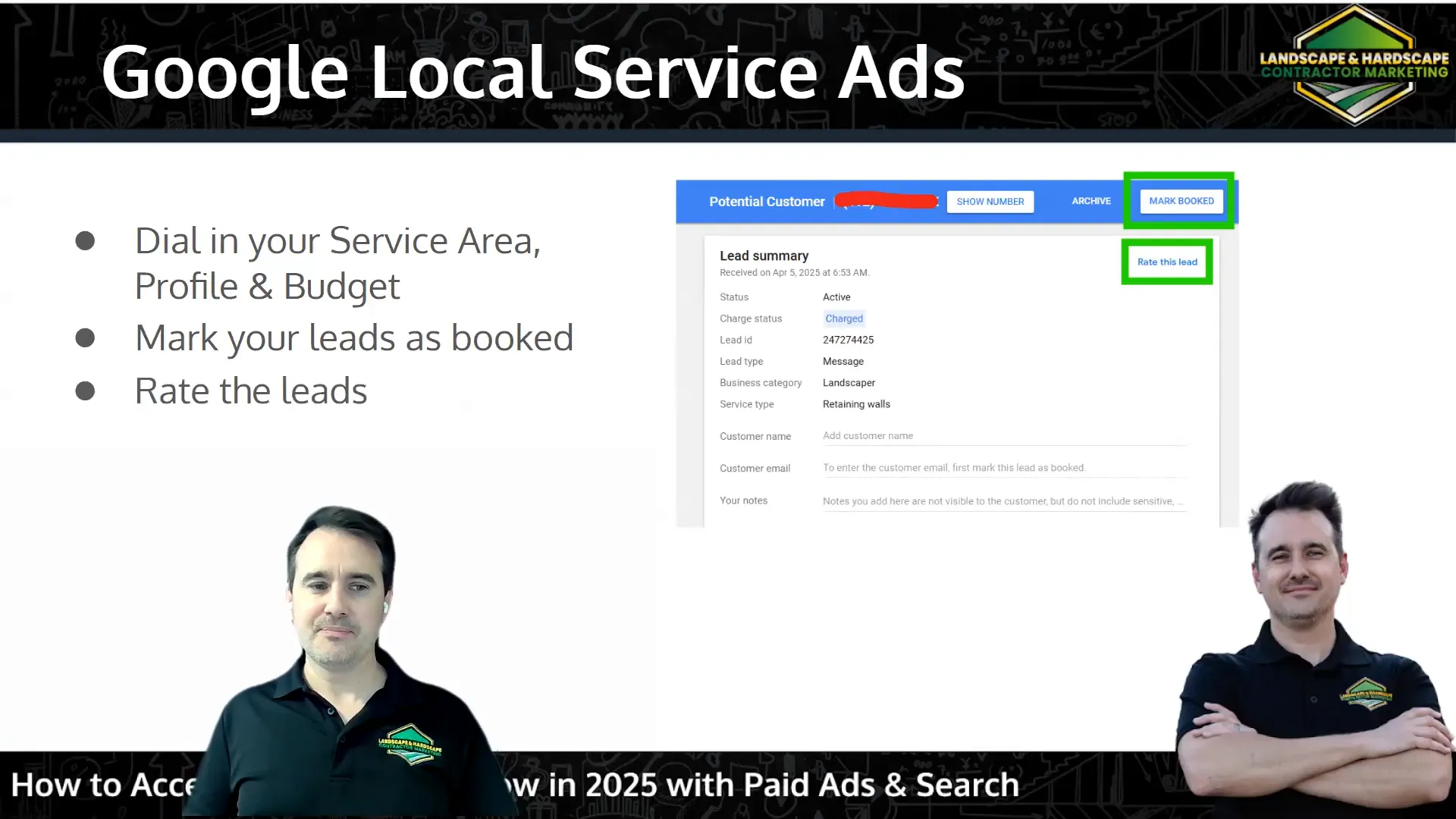
Once your Local Services Ads are set up, it’s time to optimize the dashboard to maximize effectiveness. Regularly check your service areas, profile details, and budget settings. Daily management is recommended to ensure you’re effectively capturing all leads.
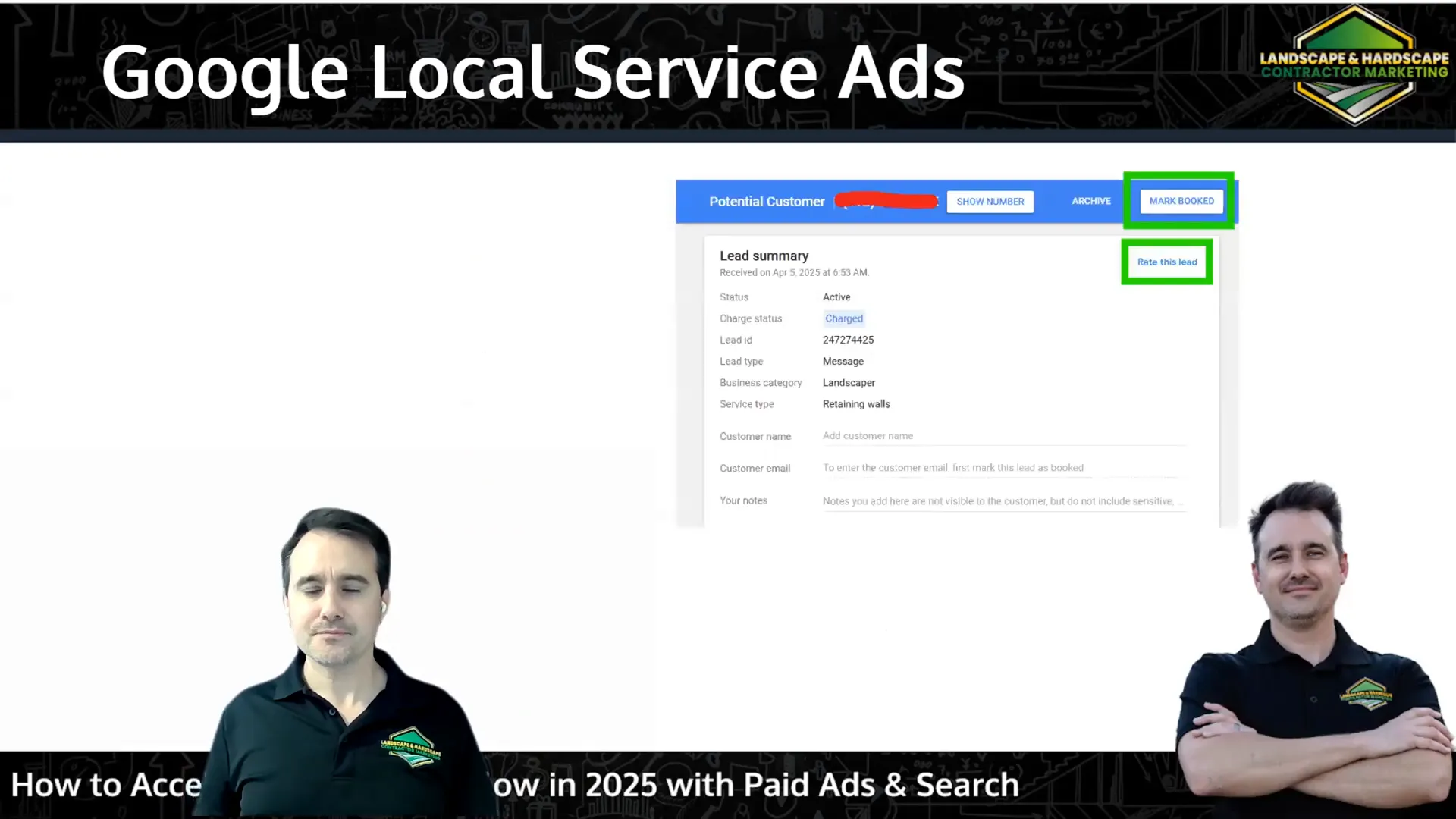
Every lead you book should be marked on the dashboard. This helps Google’s AI assess your performance and can potentially lead to credits for leads that aren’t a good fit for your business. If a call doesn’t result in a booking, rate it appropriately to inform the system.
Best Practices for Managing Your Ads
- Check your dashboard daily to stay on top of leads and metrics.
- Be diligent in rating leads to inform Google’s system about your service quality.
Clear Communication: Ensure your team understands how to handle calls to maximize conversions.
Creating Effective Landing Pages
Your landing pages are crucial for converting ad clicks into leads. Each ad should direct traffic to a specific landing page tailored to the advertised service. This targeted approach significantly improves your conversion rates.
Make sure your landing page includes essential information: service details, testimonials, and a clear call to action. It should be visually appealing and easy to navigate, which ensures visitors can quickly find what they need.
Components of a High-Converting Landing Page
- Encourage visitors to take the next step, whether calling or filling out a form.
- Showcase reviews and success stories to build trust.
Visuals: Use high-quality images that represent your work and brand effectively.
Structuring Google Ads Campaigns
Structure is key when creating Google Ads campaigns. Avoid sending traffic to your homepage; create dedicated campaigns for each service. This specificity improves user experience and optimizes your ad spend.
For better control, use expert mode rather than smart campaigns. This allows you to break down campaigns into ad groups targeting specific services based on intent and location. Proper structuring ensures your ads reach the right audience.
Tips for Effective Campaign Structuring
- Create separate ad groups for different services to satisfy specific customer needs.
- Focus on high-intent keywords that reflect what users are actively searching for.
- Include location-based terms to attract local customers looking for your services.
Understanding Keyword Targeting
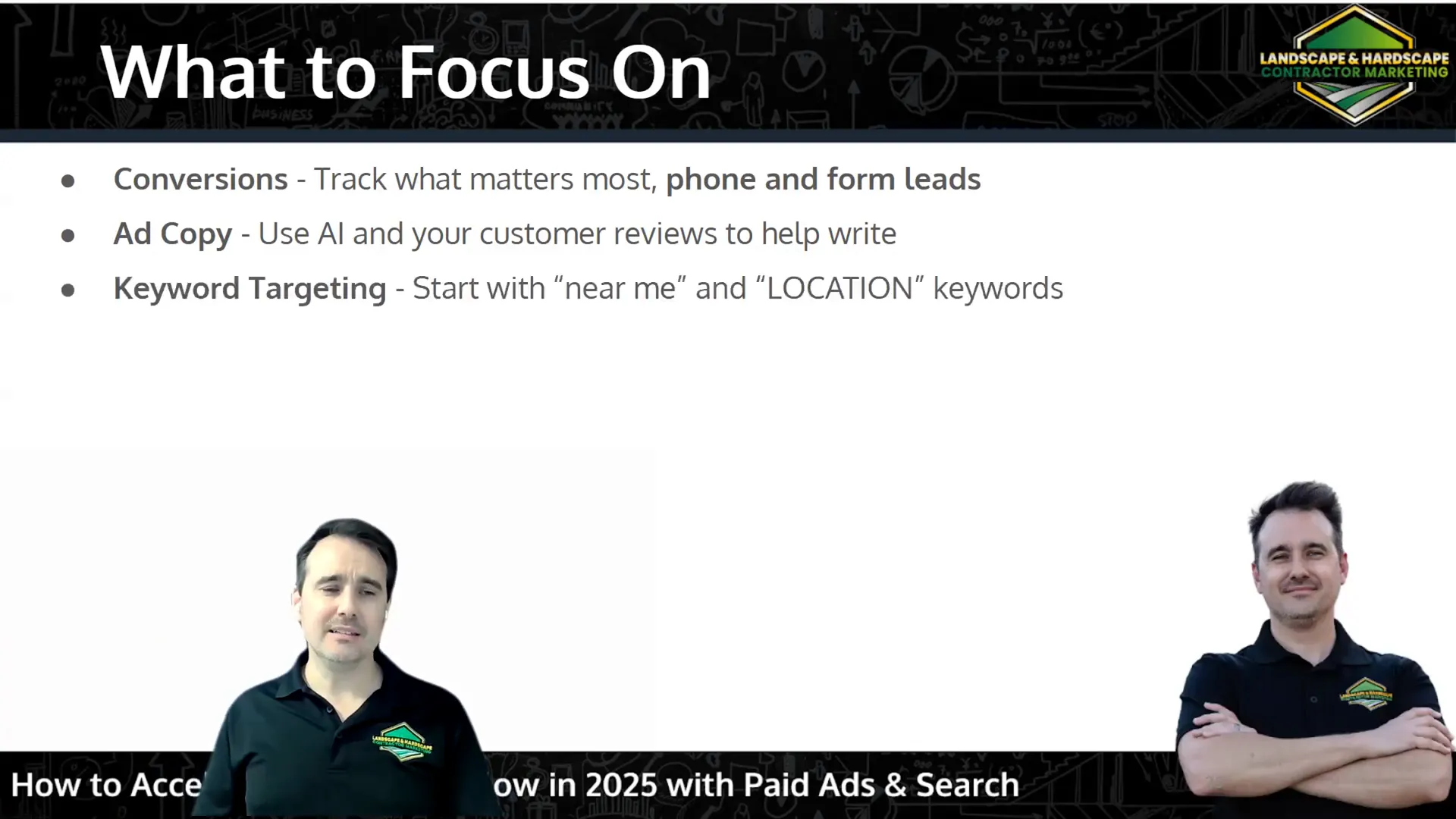
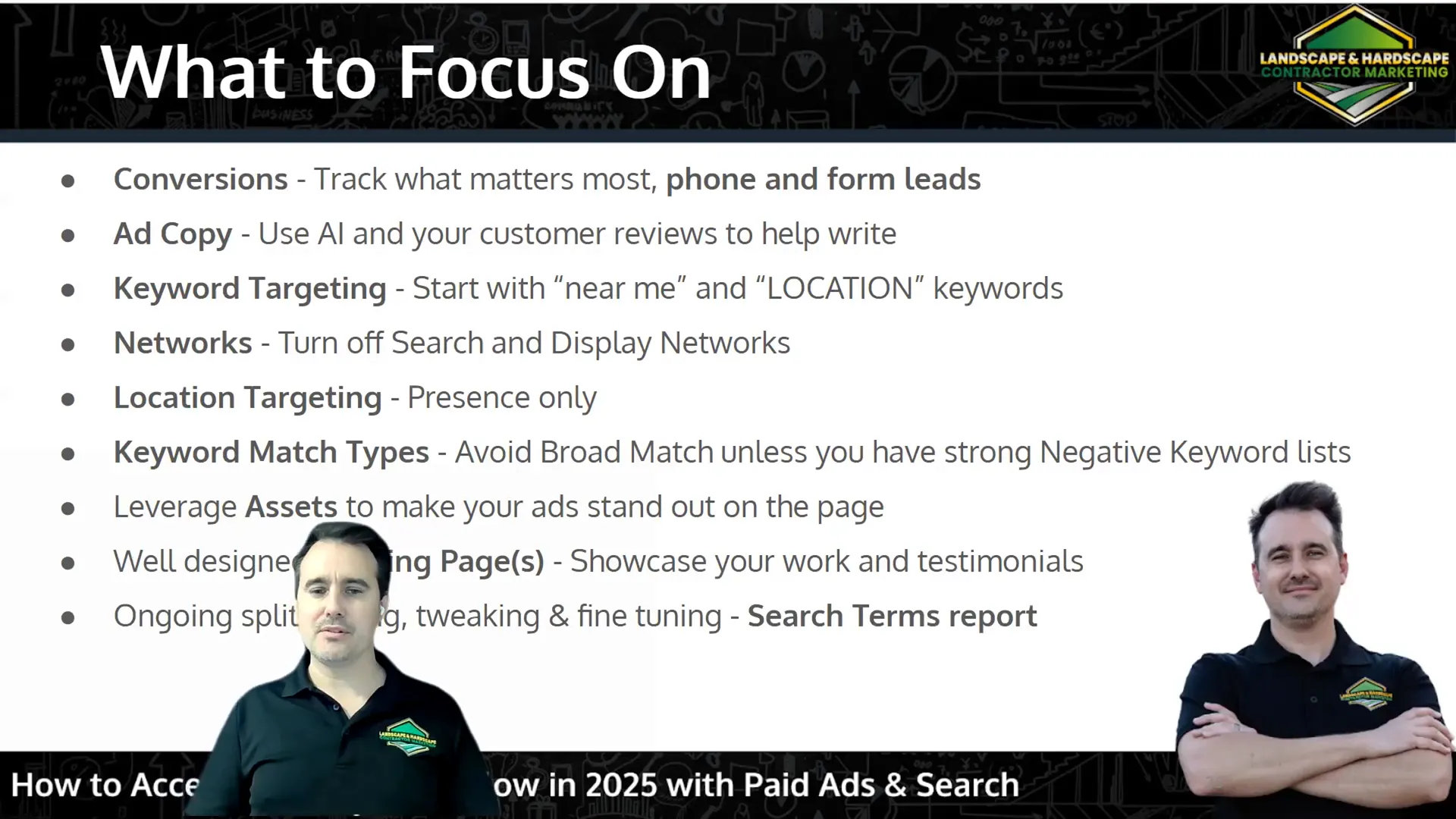
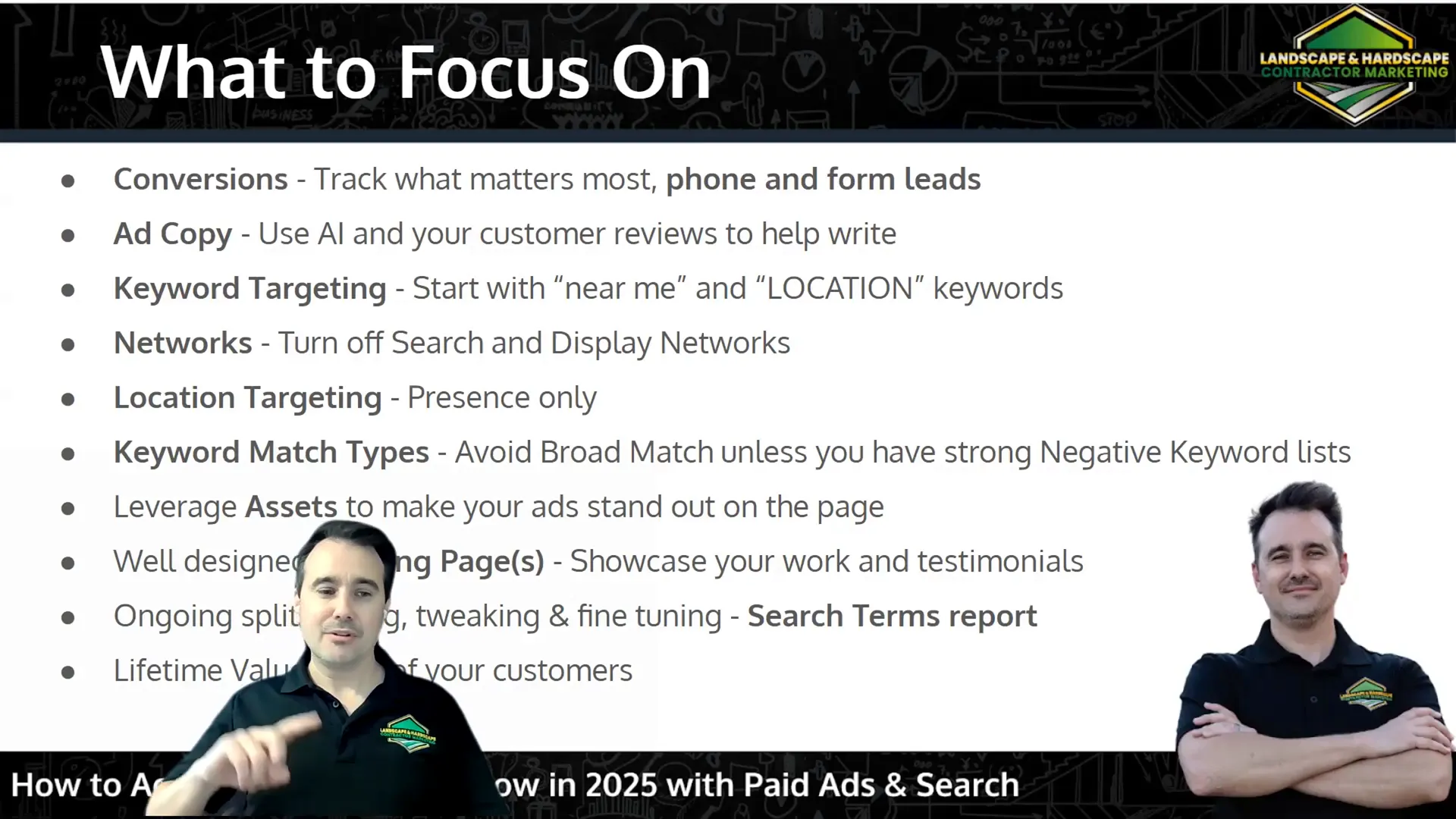
Keyword targeting is fundamental to the success of your Google Ads campaigns. Start with specific phrases that include location terms, such as “landscape designer near me.” These keywords indicate higher intent and can lead to better conversion rates.
General keywords may attract a broader audience but lack the specificity needed for effective targeting. By focusing on high-intent keywords, you increase the chances of connecting with potential customers who are ready to engage.
Strategies for Effective Keyword Targeting
- Always integrate local terms to attract geographically relevant leads.
- Use longer, more specific phrases to catch users with a clear intent.
- Monitor the performance of your keywords and adjust as necessary to optimize results.
Optimizing Campaigns with Negative Keywords
One of the most effective ways to refine your Google Ads campaigns is by using negative keywords. This feature allows you to filter out irrelevant search terms, which ensures your ads are only triggered by queries that align with your business offerings.
Under the search terms report, you can identify which keywords generate clicks but are irrelevant to your services. While Google doesn’t disclose all search terms, the available data can provide valuable insights. If you find terms that don’t relate to your business, you can add them as negative keywords. This ongoing optimization process is crucial for maximizing your ad spend.
Understanding Customer Lifetime Value
While analyzing your ad performance, it’s essential to consider your customers’ lifetime value. A lead isn’t just a one-time transaction; they could become repeat customers, utilizing various services over time. Each project completed opens the door for potential reviews, project photos, and videos that can enhance your marketing efforts.
By nurturing these relationships, you can turn satisfied customers into referral partners, expanding your reach organically. Please don’t overlook the importance of your brand’s physical presence, whether through signage or branded vehicles, as this can reinforce your visibility and trustworthiness in the market.
Analyzing Key Performance Indicators
Understanding key performance indicators (KPIs) is vital for gauging the success of your advertising efforts. Start by tracking your total ad spend and the average cost per click. While these metrics provide a broad overview, they don’t tell the whole story.
Focus on the average cost per lead derived from calls and forms. This metric allows you to assess how much you’re spending versus the leads generated. By calculating your closing rates, you can further evaluate your return on investment (ROI).
Creating a Revenue Dashboard
To gain deeper insights into your campaigns, consider integrating your data into a dashboard linked with a CRM. This setup can help visualize your revenue, allowing you to track actual earnings from specific projects rather than relying on averages. Inputting precise amounts enables you to understand your ROI and make informed decisions.
Essential Questions to Ask Your Ad Manager
When working with an ad manager or agency, asking the right questions is crucial to ensure your campaigns are managed efficiently. Here’s a checklist to guide your discussions:
- Inquire about your budget breakdown between ad spend and management fees. Understand how much is being dedicated to Google Ads versus other costs.
- Ask how they will track conversions from phone calls and forms. It’s essential to differentiate leads generated from PPC campaigns versus organic traffic.
- Clarify which KPIs they will track and how frequently they will receive updates. A good dashboard should provide quick access to critical metrics.
- Determine if they optimize your campaigns’ landing pages. Effective landing pages can significantly impact conversion rates.
- Understand their strategies for testing and improving ad quality over time.
Understanding Retargeting Strategies
Retargeting is a powerful tool in your advertising arsenal. It allows you to reach out to users who have previously engaged with your brand but did not convert. As they browse other websites, your ads can remind them of your services, increasing the likelihood of conversion.
Utilizing both digital and physical retargeting strategies, like sending postcards, can further enhance your outreach. This multifaceted approach keeps your brand top-of-mind for potential customers.
The Importance of Automation
Automation in your follow-up processes is essential for maximizing lead conversion. Automated texts, emails, and reminders can help you stay connected with leads without overwhelming your team. Implementing a robust CRM can streamline these interactions, which ensures timely follow-ups and tracking of customer engagement.
With many customers preferring text communication over calls or emails, it’s crucial to have a system that accommodates their preferences. This way, you can maintain a strong connection with potential clients and improve your chances of closing deals.
Conclusion and Next Steps
In summary, optimizing your paid ad campaigns involves a combination of strategic keyword targeting, effective conversion tracking, and ongoing management. By focusing on key performance indicators and understanding customer lifetime value, you can make informed decisions that enhance your ad spend efficiency.
As you progress, don’t hesitate to contact us for assistance refining your PPC strategy or for a comprehensive review of your online marketing plan. Whether you’re just starting or looking to optimize existing campaigns, the proper support can significantly impact your success.
FAQ
What are negative keywords, and why are they important?
Negative keywords prevent your ads from being shown for irrelevant search terms, which ensures your advertising budget is spent on attracting the right audience.
How can I measure the success of my ad campaigns?
Analyzing key performance indicators such as average cost per lead, conversion rates, and ROI can help you assess the effectiveness of your campaigns.
What is retargeting, and how does it work?
Retargeting allows you to show ads to users who have previously interacted with your brand, reminding them of your offerings as they browse other websites.
Next Step
Ready to put this into action for your business?
Book a free 15-minute Discovery Call. We will walk through your current pipeline, where leads are leaking, and the one move you could make this month to grow.

Josh Blakeley
Founder of Landscape & Hardscape Contractor Marketing and author of Backyard Empire. A member of the California Landscape Contractors Association (CLCA), Josh has helped contractors book more high-value jobs through done-for-you marketing built only for outdoor living pros.