
Maximizing Your Website’s Conversion and Lead Flow: Essential Strategies for Landscape and Hardscape Businesses
Your website is the primary hub for attracting potential clients in today’s digital landscape. This blog will explore actionable strategies to optimize your website for maximum conversion and lead flow, which ensures that your online presence effectively turns visitors into customers.
Table of Contents
- Understanding the Importance of Your Website
- Digital Marketing Flywheel Overview
- The Role of SEO in Website Optimization
- Common Marketing Challenges Faced by Businesses
- Key Conversion Strategies for Your Website
- Defining Your Target Avatar
- Building Trust with Social Proof
- Website Basics: Essentials for Conversion
- Effective Calls to Action and Offers
- Optimizing for Mobile and Speed
- Implementing Marketing Automation
- Identifying Action Steps for Improvement
- Final Thoughts and Q&A
- Frequently Asked Questions
Understanding the Importance of Your Website
Your website is the cornerstone of your online presence. It is the primary platform where potential clients first interact with your business. In the landscape and hardscape industry, which showcases your work and client testimonials is crucial. These elements build credibility and help clients visualize the quality of your services. A well-optimized website attracts visitors and converts them into leads.
Key Elements of a High-Performing Website
- High-quality images of your projects can captivate visitors.
- Easy navigation ensures visitors find the information they need quickly.
- Engaging text that speaks to your target audience is essential.
Digital Marketing Flywheel Overview
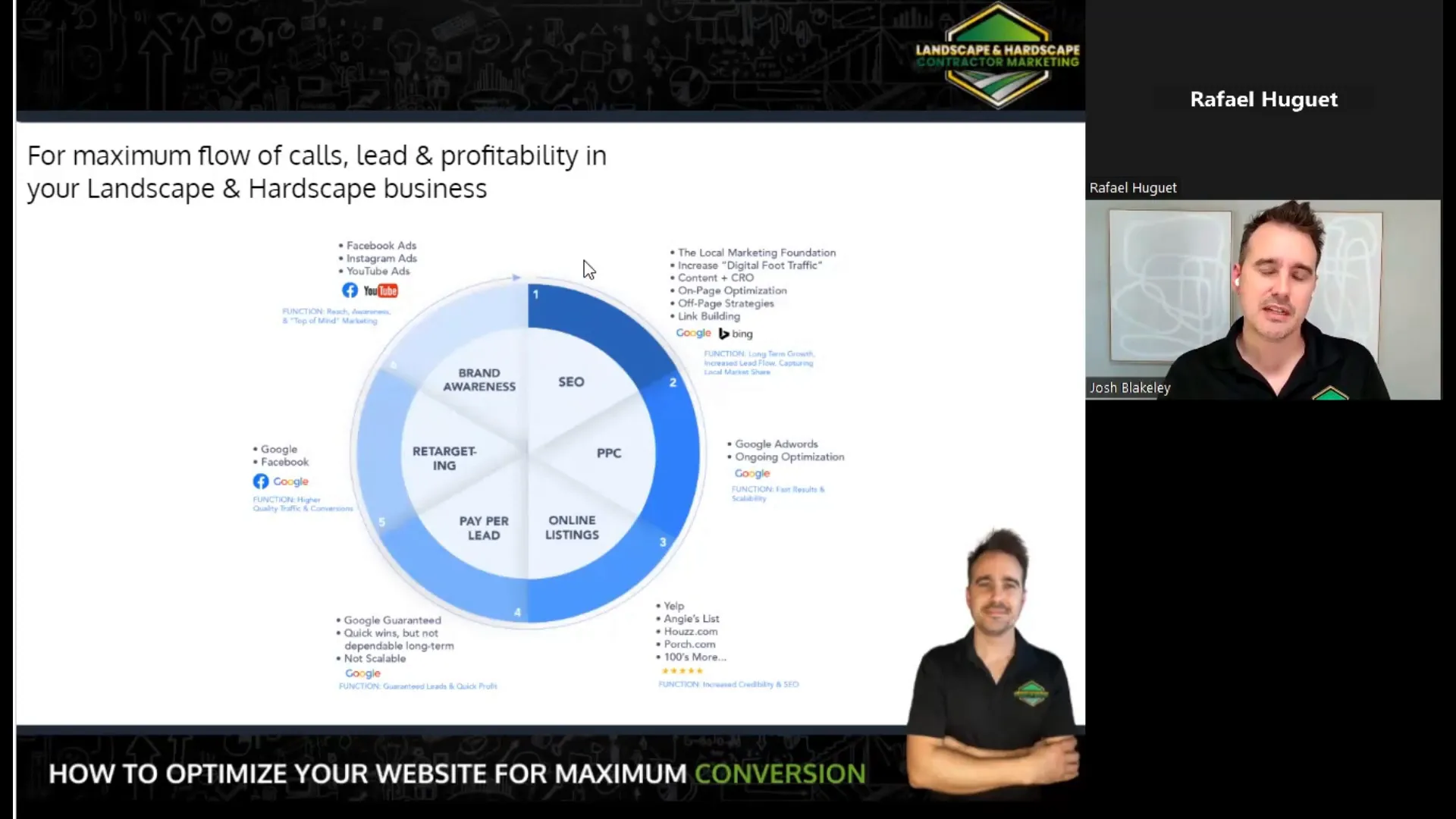
The digital marketing flywheel is a comprehensive marketing approach focusing on creating a seamless experience for potential clients. It integrates various strategies to drive traffic and convert leads effectively.
Core Components of the Flywheel
- Optimizing your website to rank higher in search results, making it easier for potential clients to find you.
- Utilizing paid ads to reach a broader audience quickly.
- Implementing systems that capture leads efficiently.
- Engaging visitors who have already shown interest in your services.
- Creating content that builds recognition and trust in your brand.
The Role of SEO in Website Optimization
Search Engine Optimization (SEO) is integral to increasing your website’s visibility. By optimizing for relevant keywords, your business can appear in search results when potential clients are looking for the services you offer.
Key SEO Strategies
- Identify the terms potential clients are searching for.
- Ensure that your website content is optimized with relevant keywords.
- Optimize your Google Business profile and local listings to attract nearby clients.
Common Marketing Challenges Faced by Businesses
Many landscape and hardscape businesses encounter obstacles in their marketing efforts. Understanding these challenges can help you devise effective strategies to overcome them.
Frequent Marketing Issues
- Many businesses invest in marketing without seeing a return on their investment.
- Services like Angie often generate leads that are not a good fit for your business.
- Ineffective communication can lead to missed opportunities and unsatisfied clients.
Key Conversion Strategies for Your Website
Optimizing your website for conversions is essential to increase lead flow. There are specific strategies that can encourage visitors to take action.
Effective Conversion Techniques
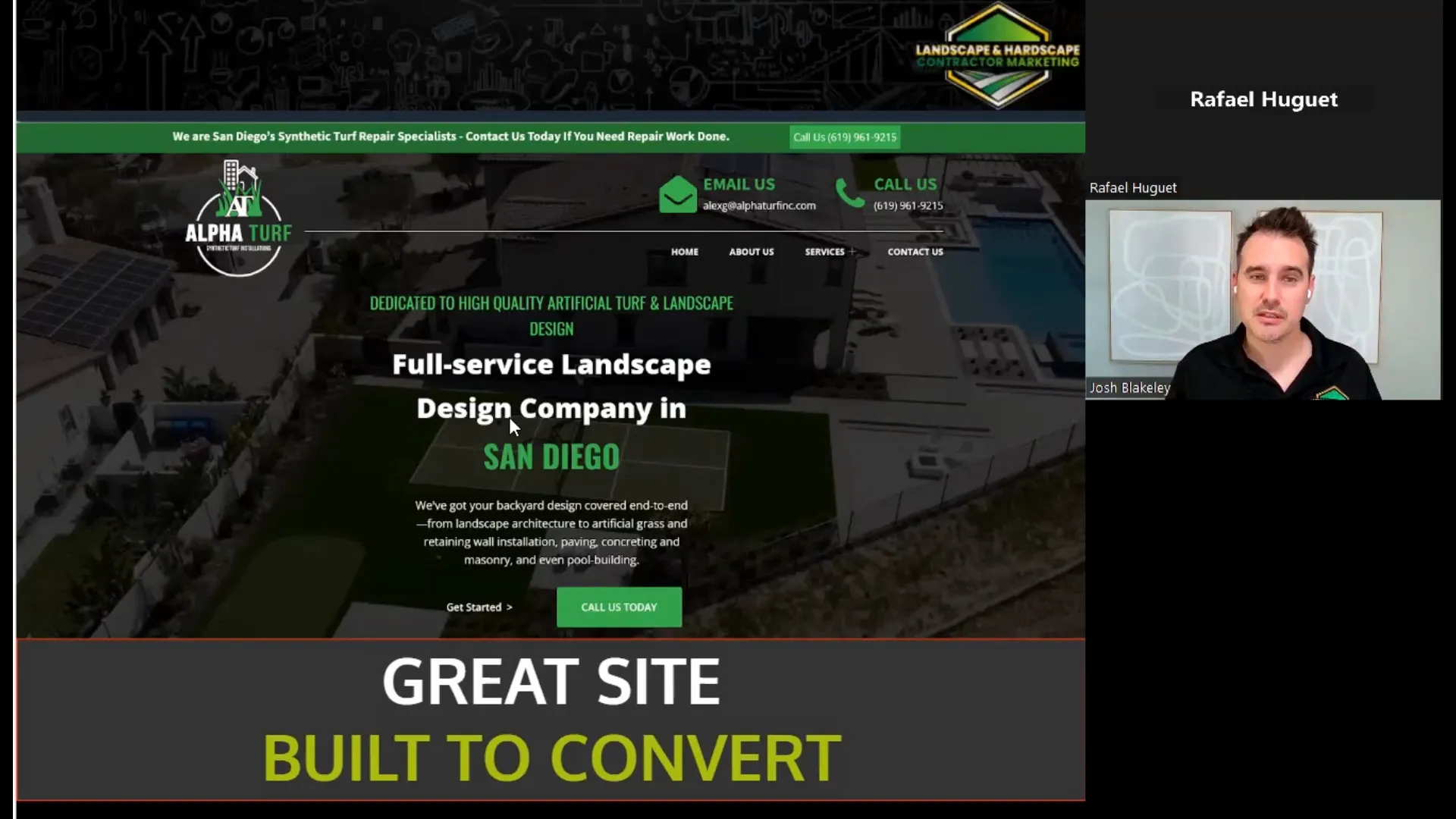
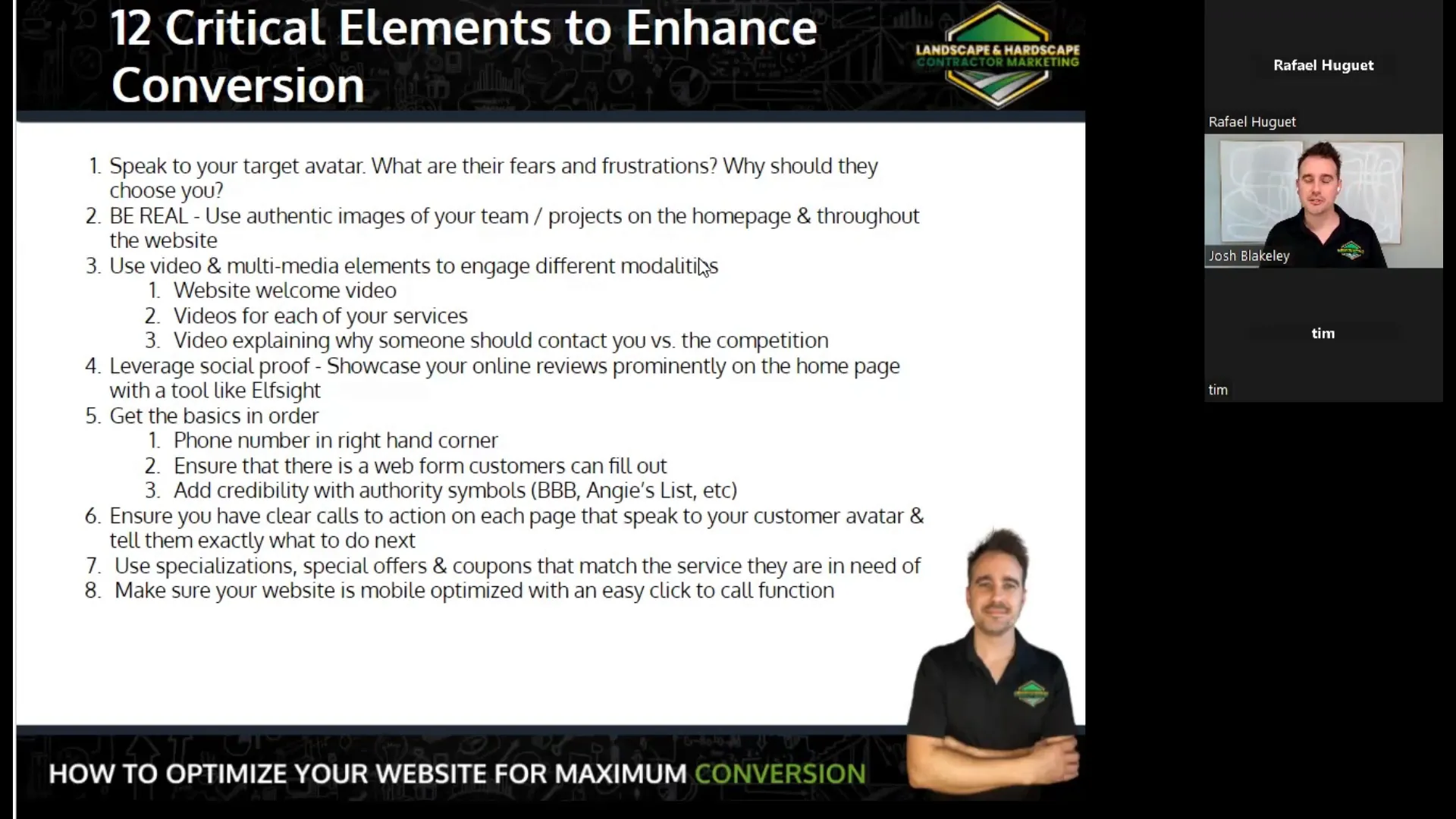
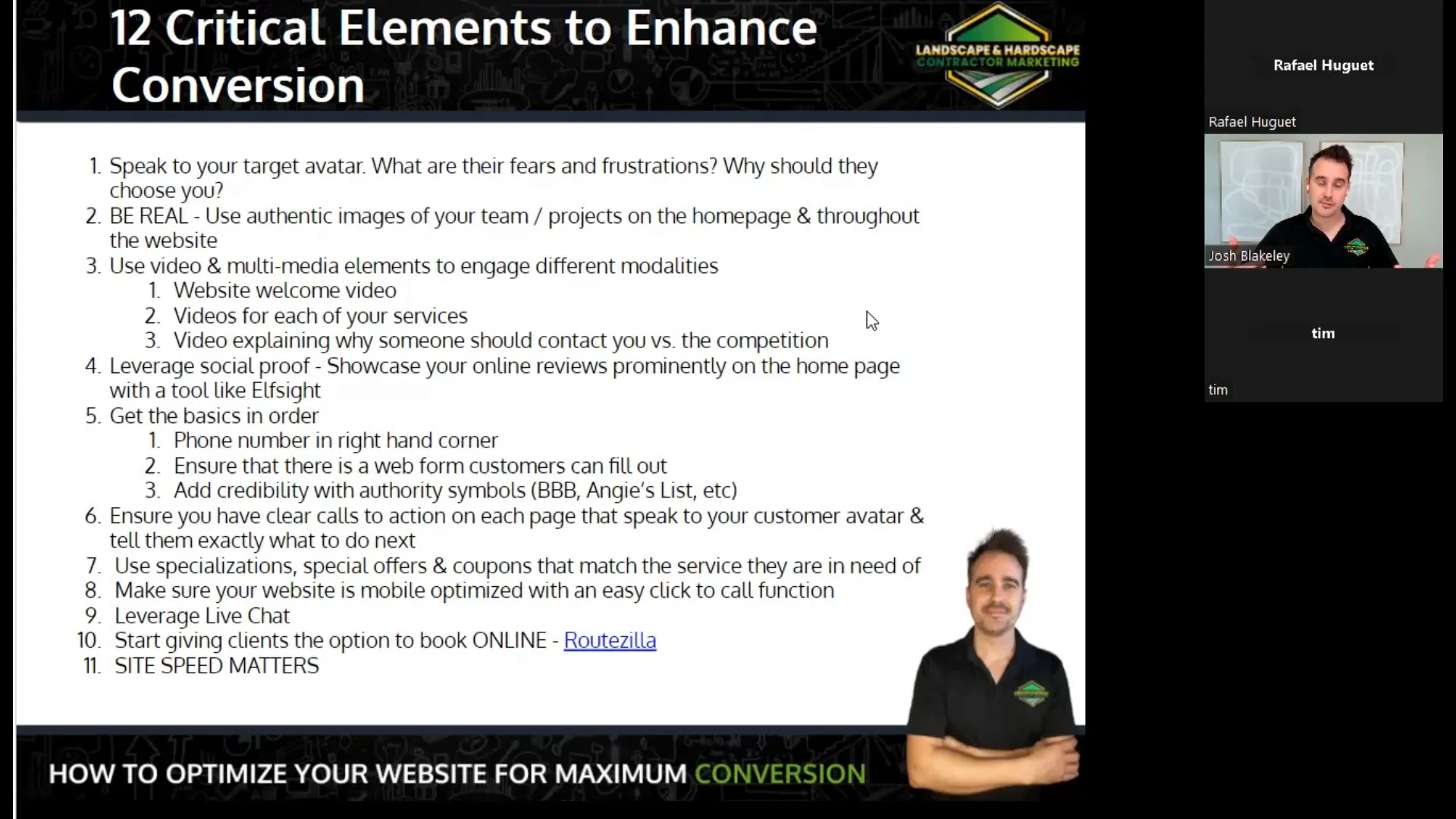
- Ensure your phone number and contact forms are easily accessible.
- Provide valuable information that addresses potential clients’ needs and concerns.
- Showcase client feedback prominently to build trust.
Defining Your Target Avatar
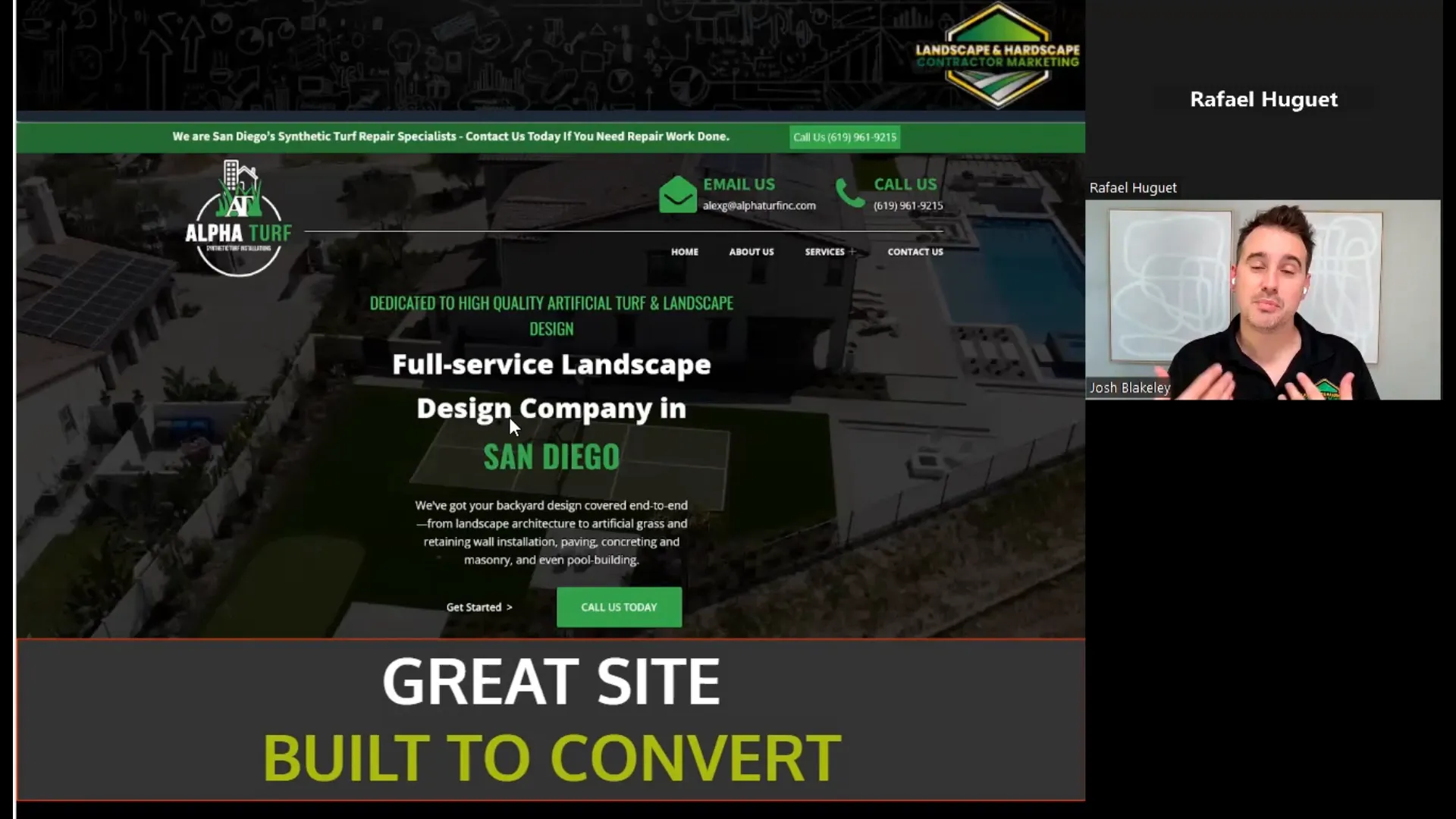
Understanding your ideal client is vital for tailoring your marketing efforts. Creating a target avatar helps you focus on the right audience.
Steps to Define Your Target Avatar
- Consider age, gender, location, and income level.
- Determine the challenges your ideal client faces that your services solve.
- Study how your target audience interacts with similar services and platforms.
Building Trust with Social Proof
Social proof is powerful in convincing potential clients to choose your services. It includes testimonials, reviews, and case studies that highlight your expertise.
Utilizing Social Proof Effectively
- Feature positive feedback from satisfied clients prominently on your website.
- Provide detailed accounts of successful projects to demonstrate your capabilities.
- Display any industry certifications or awards to enhance credibility.
Free Resource
Get Your Free Copy of Backyard Empire
Josh Blakeley’s playbook for landscape, hardscape, and outdoor living contractors. Lead generation, SEO, websites, and AI. All the chapters that go deeper than this article ever could.
-conversion”>Website Basics: Essentials for Conversion
Establishing a strong foundation is crucial to maximizing your website’s conversion potential. This begins with clearly understanding your target audience and ensuring that your website communicates effectively with them.
Understanding Your Target Audience
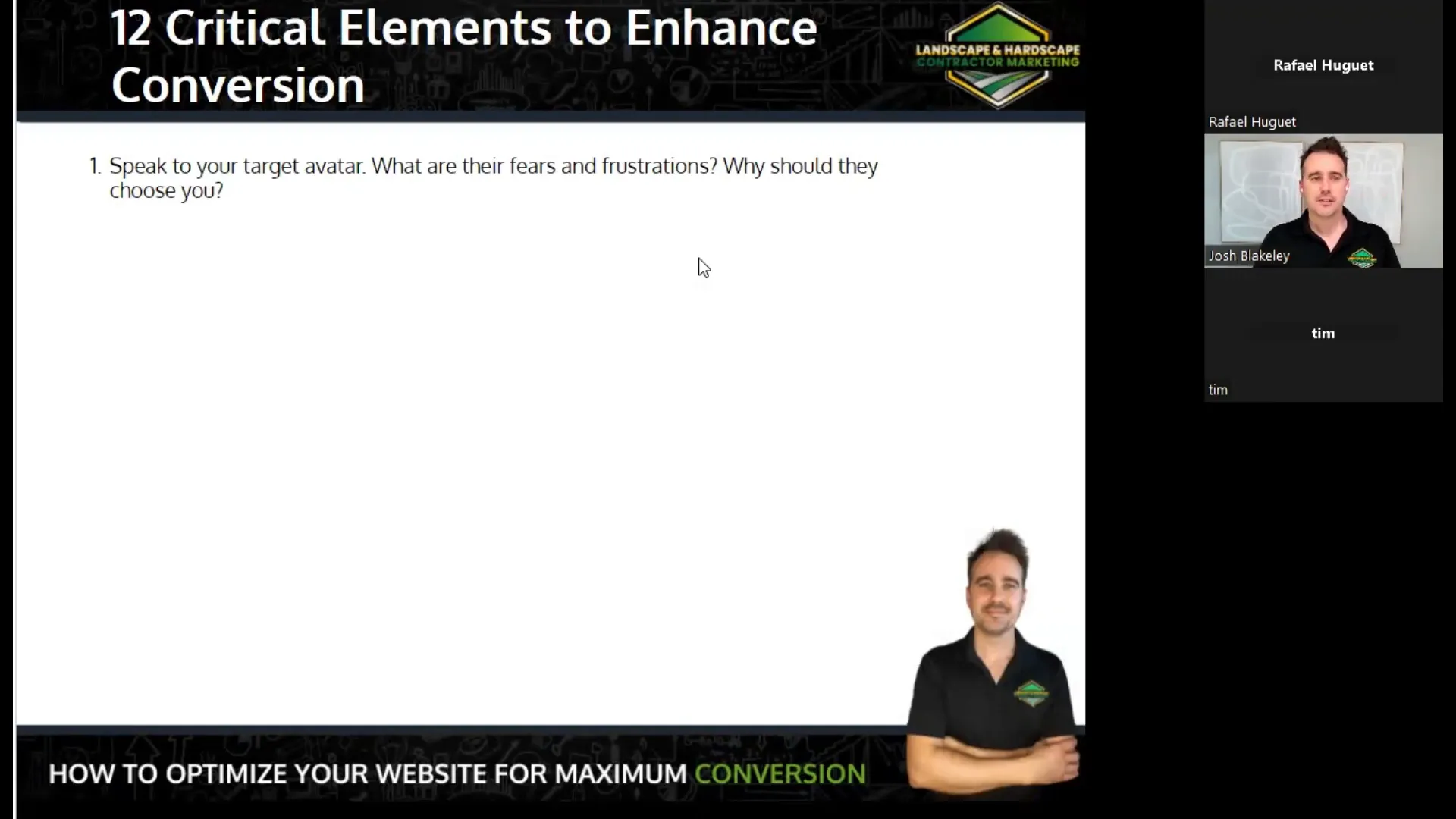
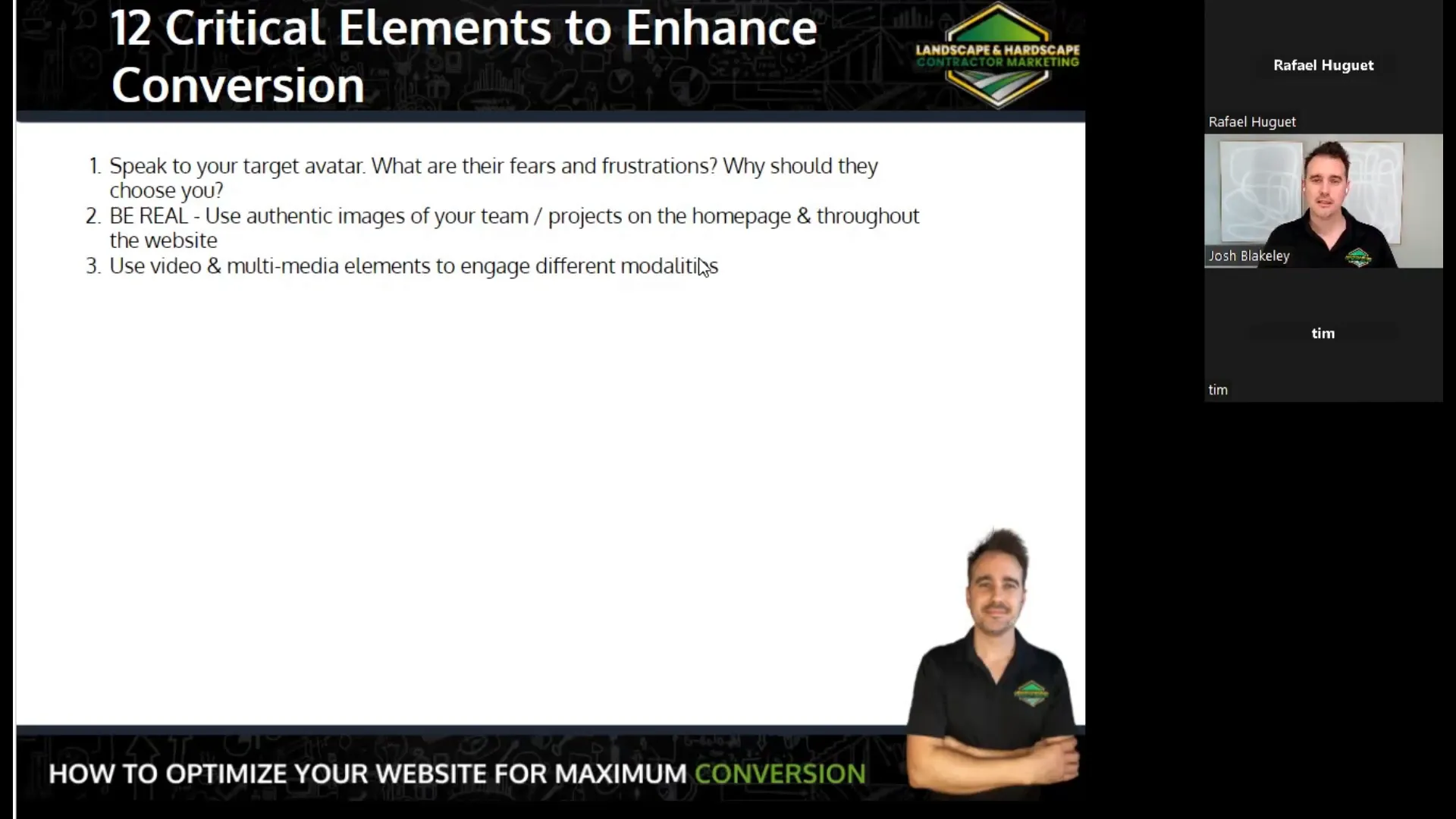
Your target audience, or avatar, should be at the forefront of your website design. Knowing their demographics, preferences, and pain points allows you to tailor your content and offers directly to their needs.
Visual Appeal and Professionalism
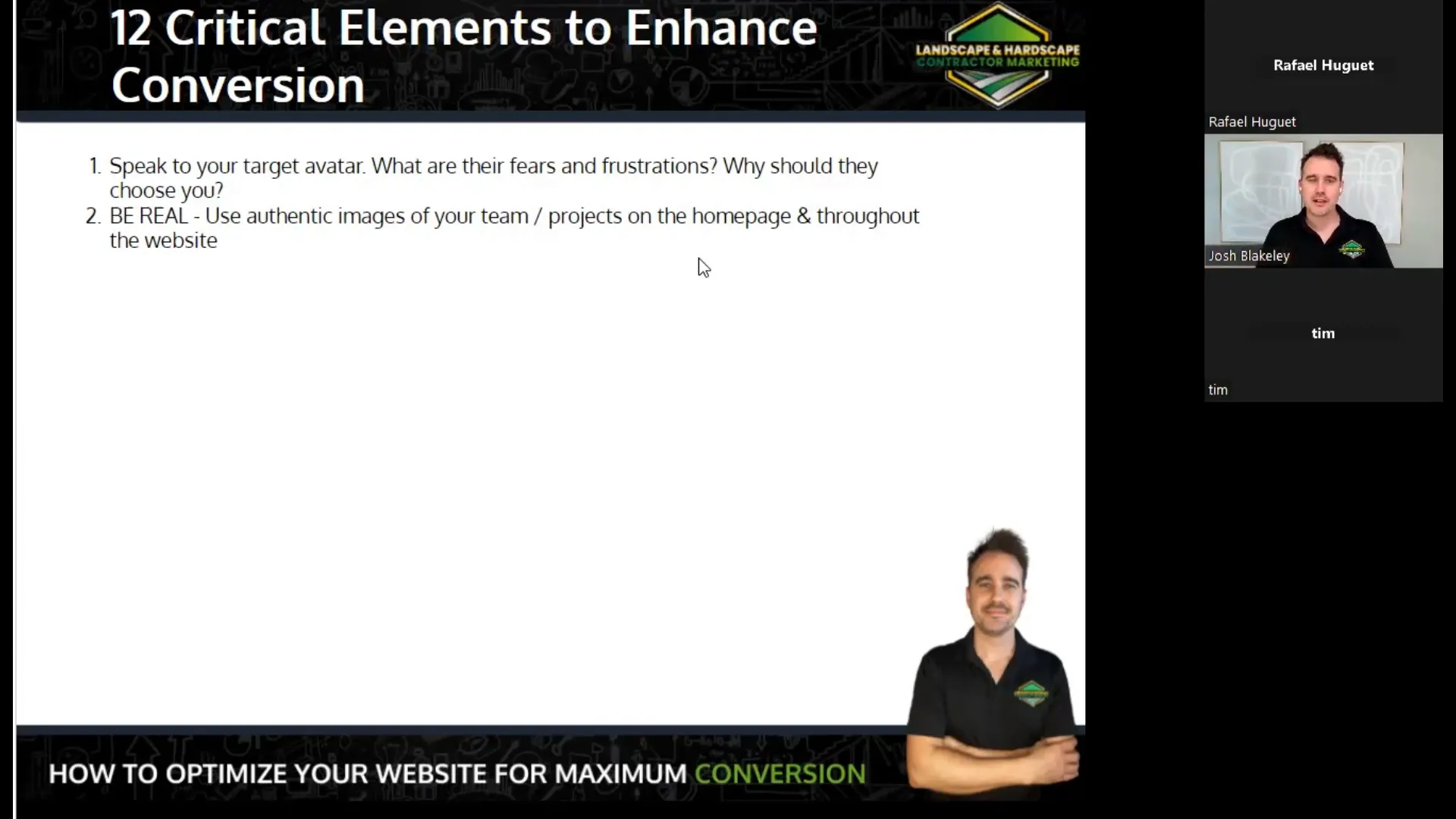
First impressions matter. Ensure your website has high-quality images and videos reflecting your brand’s professionalism. Use real images rather than stock photos to build trust.
User-Friendly Navigation
A well-structured website is vital for keeping visitors engaged. Use clear, descriptive headings and menus to guide users effortlessly through your site. This enhances user experience and increases the likelihood of conversion.
Compelling and Relevant Content
Your website content should be engaging and informative. Address your audience’s concerns and provide solutions that your services offer. This creates a connection and encourages visitors to take action.
Effective Calls to Action and Offers
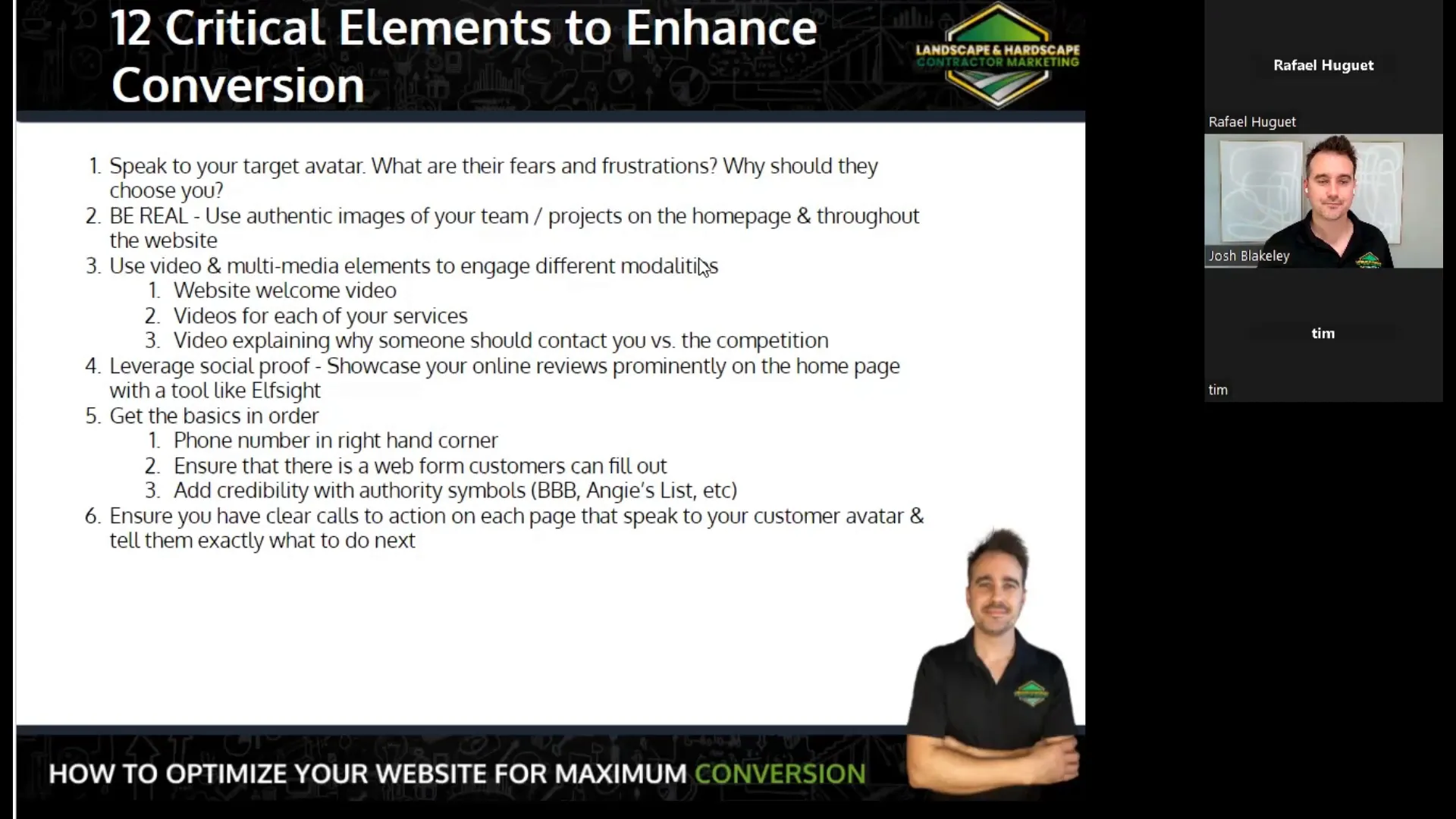
Calls to action (CTAs) are essential in guiding visitors towards the next steps. They should be clear, compelling, and strategically placed throughout your website.
Crafting Clear CTAs
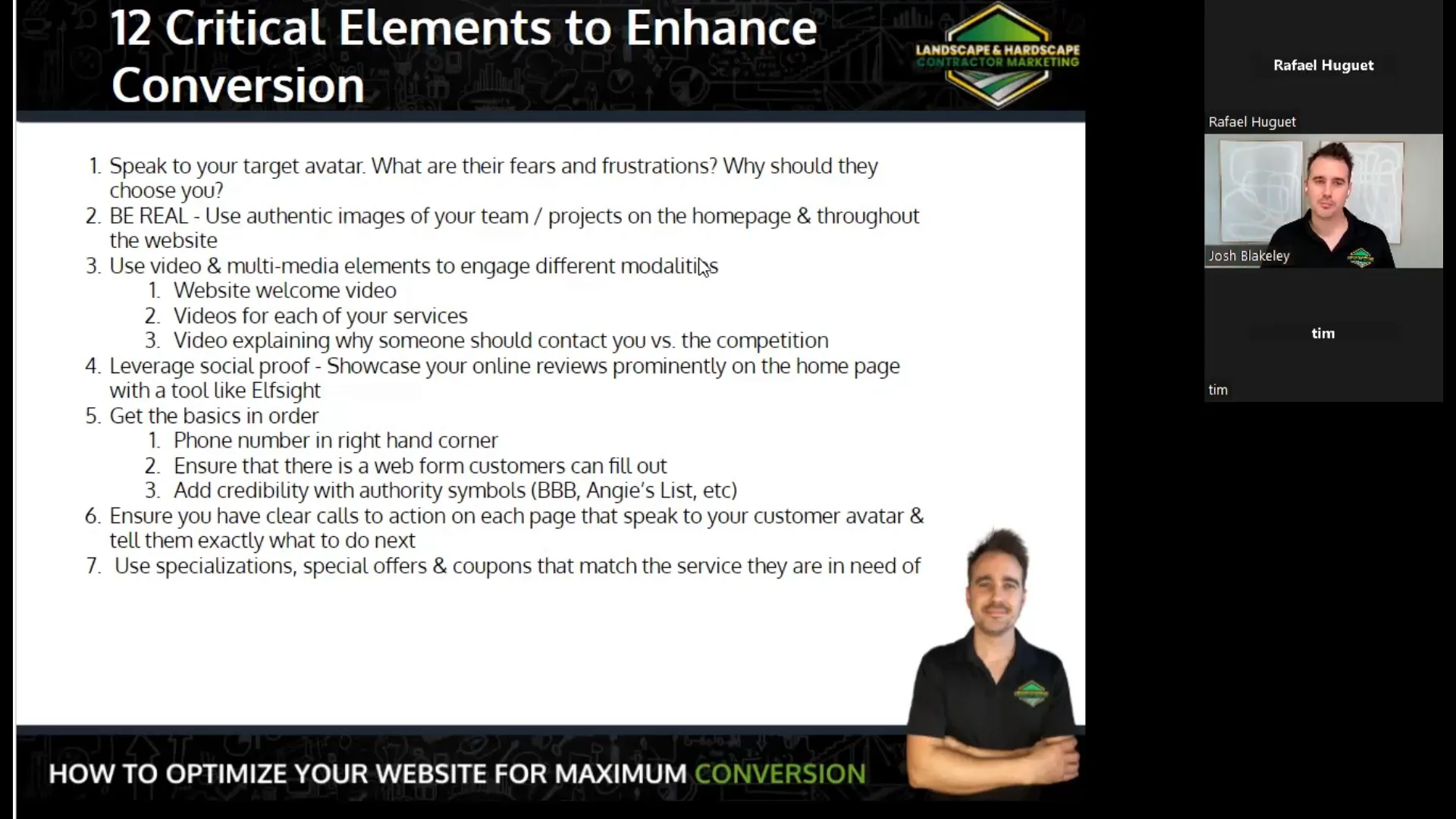
Make your CTAs noticeable and action-oriented. Phrases like “Get a Free Quote” or “Contact Us Today” can motivate users to engage. Ensure that your contact information is easily accessible on every page.
Incentives and Special Offers
Consider providing limited-time discounts or special offers to encourage immediate action. These can be monetary savings or services included at no extra charge, which can significantly boost conversions.
Optimizing for Mobile and Speed
With many users accessing websites through mobile devices, optimizing for mobile is no longer optional – it’s essential.
Mobile Responsiveness
Your website must be mobile-friendly. This includes ensuring that text is readable without zooming, buttons are easy to click, and navigation is intuitive on smaller screens.
Page Load Speed
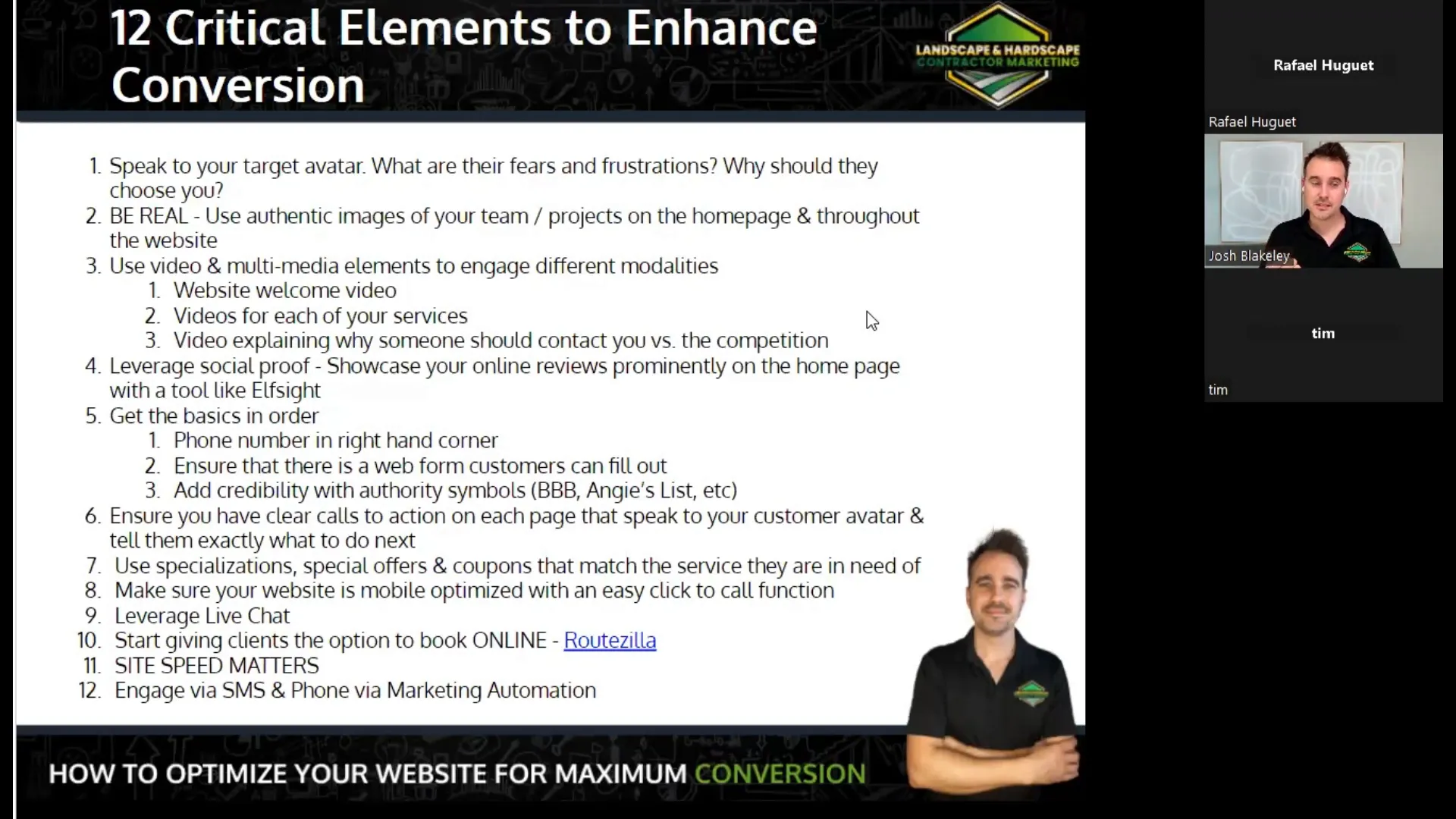
Fast-loading pages are critical for user retention. Use tools to check your website’s speed and take necessary actions to improve load times. A slow website can deter potential clients and hurt your SEO rankings.
Implementing Marketing Automation
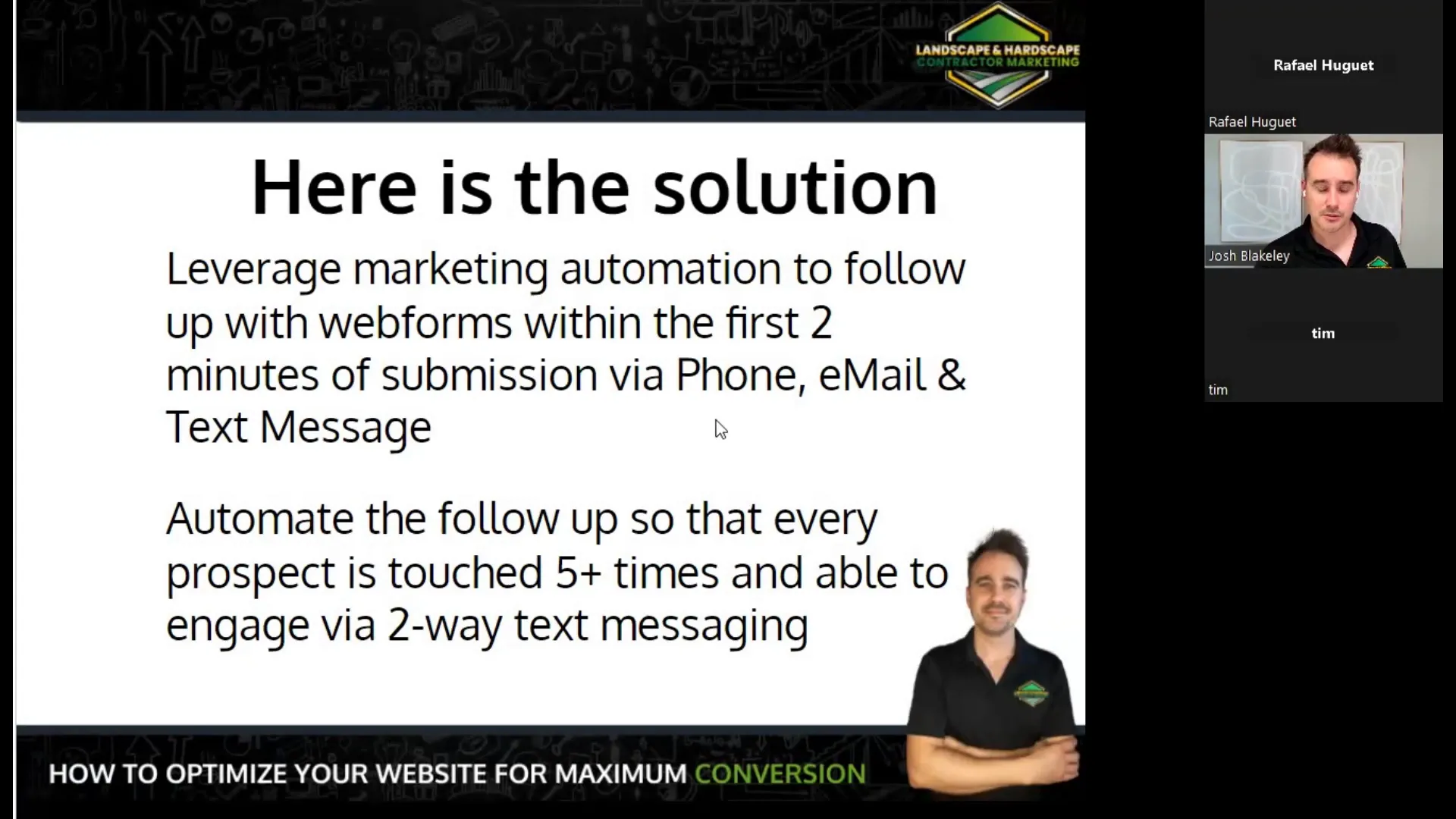
Marketing automation can streamline your processes and enhance lead conversion. By automating responses and follow-ups, you can ensure timely communication with potential clients.
Automated Response Systems
Implement systems that automatically send confirmation messages when a form is submitted or a call is missed. This keeps leads engaged and shows them that you value their inquiry.
Follow-Up Strategies
Utilize automated follow-ups through text or email to nurture leads. A simple “Thank you for reaching out” message can keep your business top of mind and encourage further engagement.
Identifying Action Steps for Improvement
After reviewing your website and marketing strategies, it’s crucial to identify actionable steps for improvement. Focus on the areas that will have the most significant impact on conversions.
Set Clear Goals
Establish specific, measurable goals for your website’s performance. This could include increasing the number of leads, improving response times, or enhancing user engagement metrics.
Prioritize Changes
Determine which changes to implement first based on potential impact and ease of execution. Document these steps and assign timelines to ensure accountability.
Final Thoughts and Q&A
Maximizing your website’s conversion potential requires continuous effort and adaptation. Review your strategies regularly, gather feedback, and be open to implementing new tools and techniques.
Engage with Your Audience
Encourage visitors to ask questions and provide feedback on their experience. This will foster engagement and help you identify areas for further improvement.
Frequently Asked Questions
What is the most important aspect of website conversion?
The most critical aspect is understanding your target audience and providing them with a seamless, engaging experience that encourages them to take action.
How can I effectively track my website’s performance?
Use analytics tools to monitor user behavior, conversion rates, and traffic sources. This data will guide your optimization efforts.
Are special offers necessary for conversion?
While not mandatory, special offers can significantly enhance conversion rates by incentivizing potential clients to take action.
How often should I update my website content?
Regular updates are essential. Aim to refresh your content at least quarterly to keep it relevant and engaging for your audience.
Next Step
Ready to put this into action for your business?
Book a free 15-minute Discovery Call. We will walk through your current pipeline, where leads are leaking, and the one move you could make this month to grow.

Josh Blakeley
Founder of Landscape & Hardscape Contractor Marketing and author of Backyard Empire. A member of the California Landscape Contractors Association (CLCA), Josh has helped contractors book more high-value jobs through done-for-you marketing built only for outdoor living pros.